Dorris Keeven-Franke
-
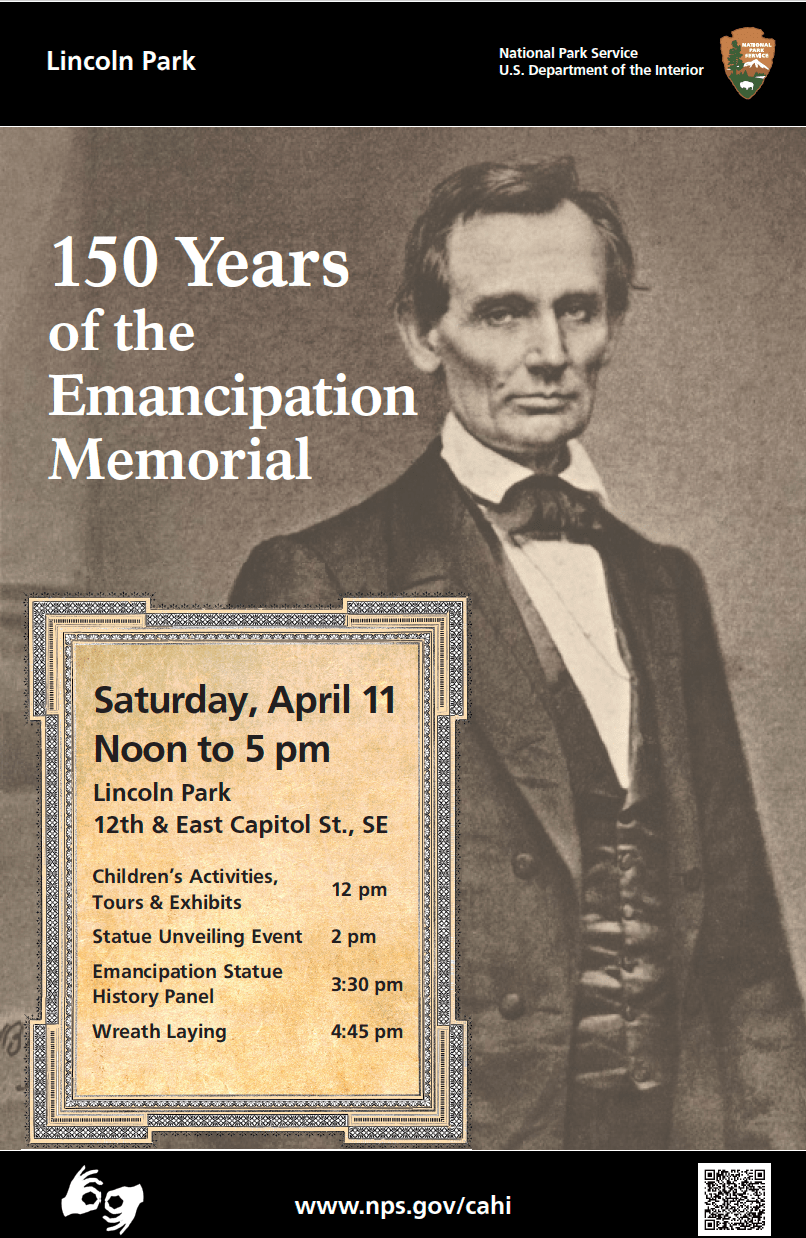
The National Park Service will hold an event to celebrate the 150th Anniversary of the Emancipation Memorial on Saturday, April 11, 2026, from Noon until 5 pm in Lincoln Park in Washington DC.
-
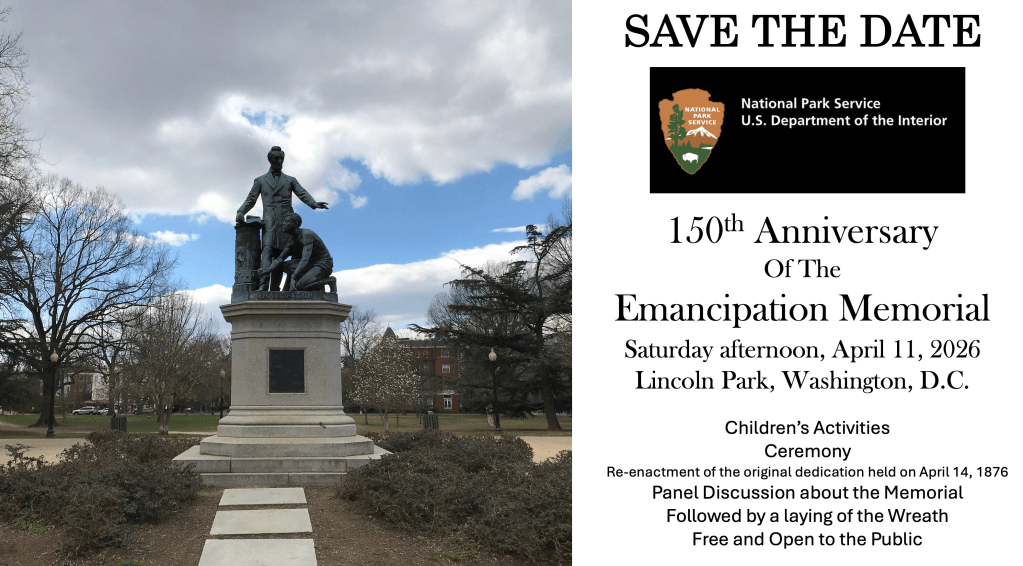
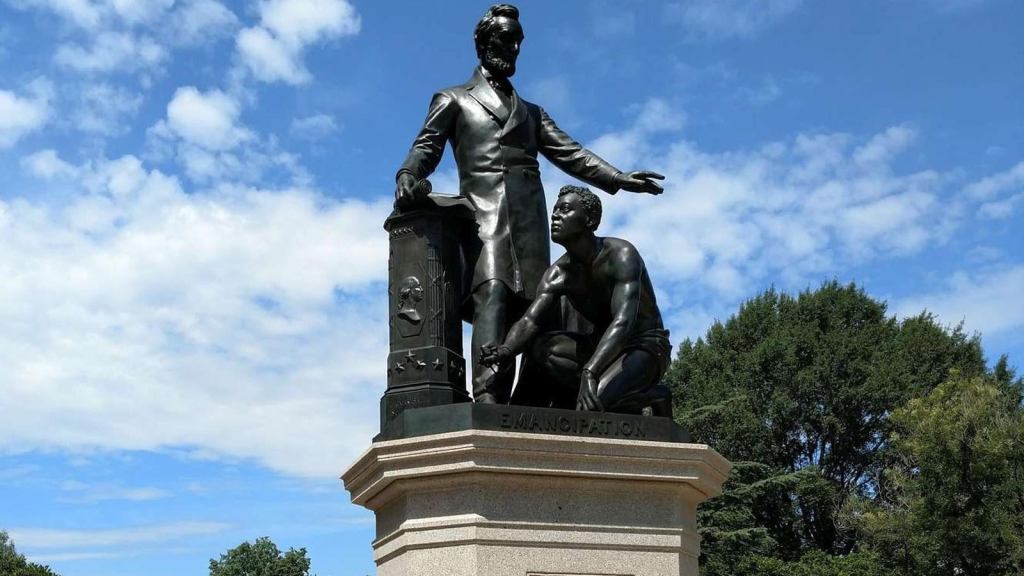
The Emancipation Memorial, also known as the Freedman’s Memorial, is the only memorial to President Abraham Lincoln in Washington, D.C. that was erected by the formerly enslaved, and was dedicated on April 14, 1876.
-
Archer Alexander was born near Lexington, in Rockbridge County Virginia. He was taken to Missouri in 1829, where he lived in St. Charles for 30 years. He fled on the Undergroud Railroad in 1863, with 16 others. He made his way to St. Louis where he gained his freedom on September 24, 1863 for his…
-

ARCHER ALEXANDER AND THE UNDERGROUND RAILROAD, Thursday, February 26, 2026 6:00 PM, ST. LOUIS COUNTY LIBRARY – CLARK BRANCH 1640 S. Lindbergh Blvd 314-994-3300
-
Sorry about the mix-up with the password-protected post on Saturday. The Archer Friends and Family Letter that was posted is now public instead of Protected – it normally goes out to those who have given their support to the Archer Alexander Memorial. If anyone is interested in receiving the newsletter in the future, please consider…
-

A letter from Archer Alexander to his friends and family….
-

The Dedication included, not only President Ulysess S. Grant, but the great orator Frederick Douglass as well. Marcia Scott would be present but the other man on the monument, Archer Alexander was not there that day.
-
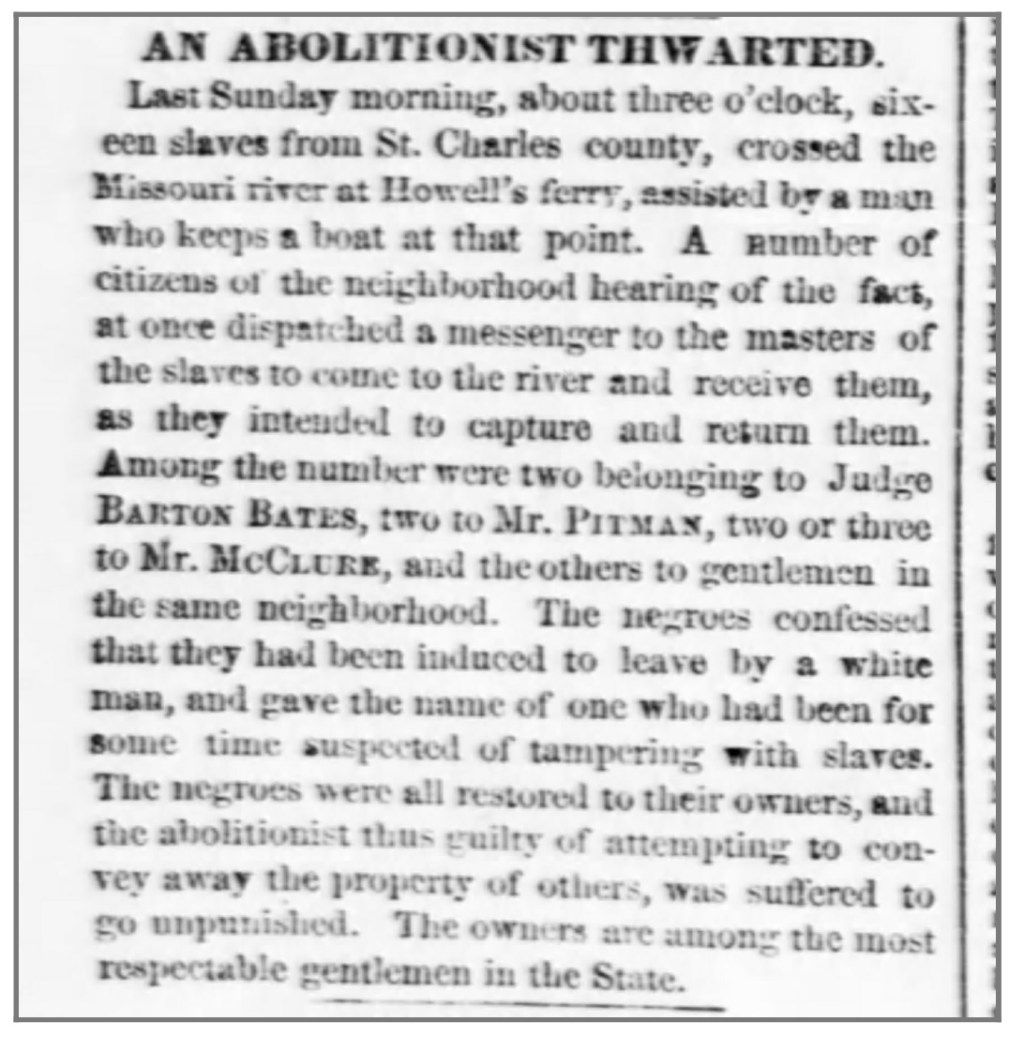
In February of 1863, on a frigid Sunday morning at 3:00 am, sixteen men attempted to make their way across an ice-blocked Missouri River in search of freedom. A local abolitionist, a German immigrant, had stowed a boat near the local ferry crossing, named Howell’s Ferry, for them to use.
-
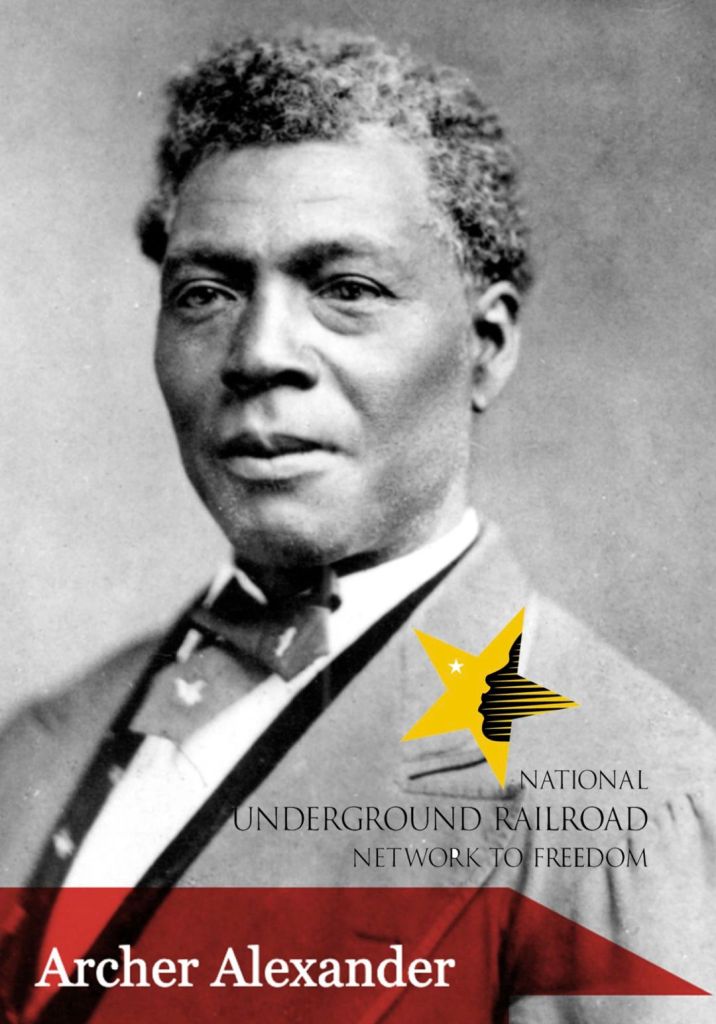
The Rock Creek Civil War Round Table (RCCWRT) is inviting you to a scheduled Zoom meeting on Saturday, February 7, 2026 where historian Dorris Keeven-Franke will share the story of Archer Alexander.
-

I am hoping you have seen today’s, (Saturday, December 20, 2025) column in the Washington Post by Philip Kennicott, illustrated by David Mahoney of “HOW TO FIX, REMIX OR ERASE AMERICAS’S MOST OFFENSIVE MONUMENTS” . The first of three monuments featured is the Emancipation memorial in Lincoln Park in Washington, D.C. Read more…
-
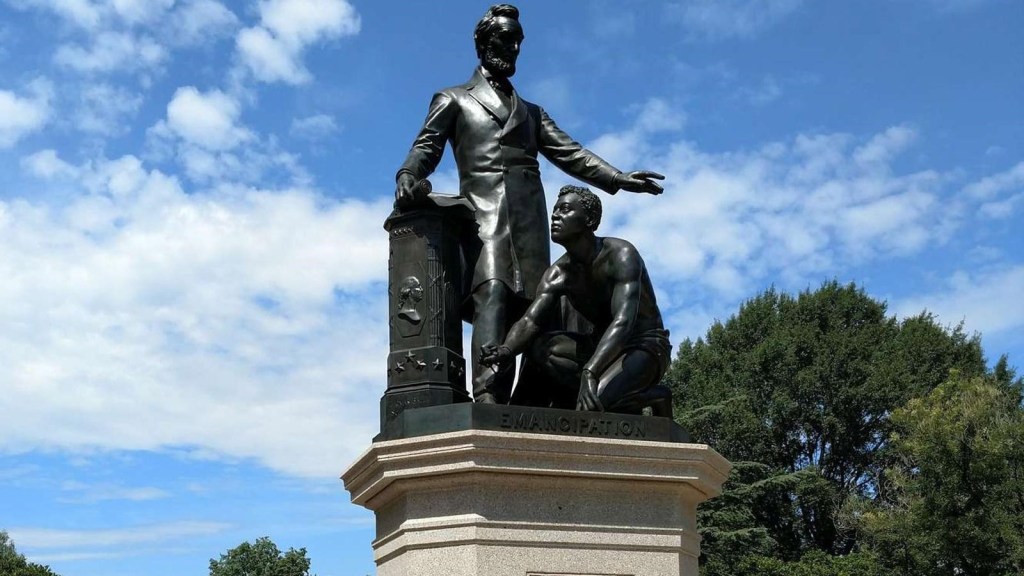
The Thirteenth Amendment to the United States Constitution abolished slavery and involuntary servitude, except for punishment of a crime. On October 20, 1940, the U.S. Postal Service issued a 3 cent postage stamp with the image of that Monument. The Emancipation Monument served as the primary national memorial to Lincoln in DC until 1922, when the Lincoln Memorial…
-
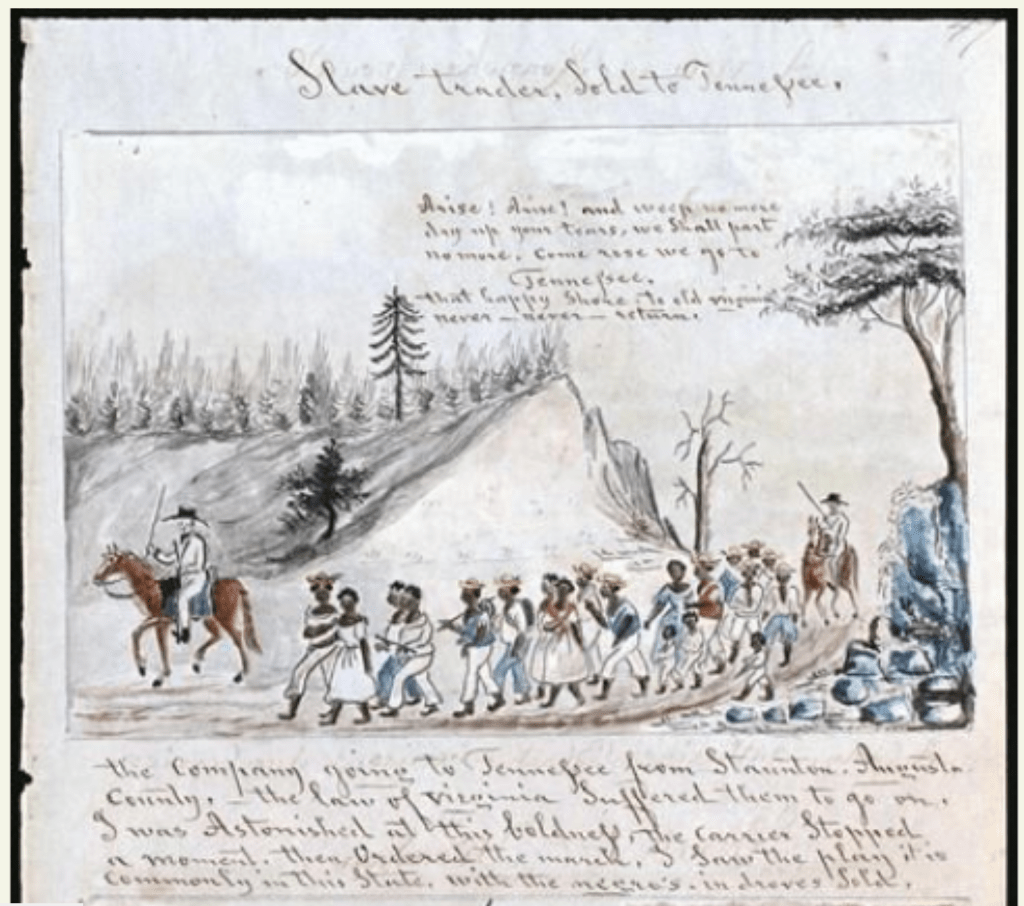
Journal entry September 12, 1829 Passed by the spot where two negro traders had been murdered by their chained slaves 2 or 3 weeks before. The torn fragments of their clothes were scattered about, the bushes beat down, the grass and leaves torn up, and other marks of a violent contest. Seven of the negroes…
-
On September 24, 1863, a St. Louis newspaper announced “Archer Alexander, a negro … whose last master was Richard Hickman Pitman of the County of St. Charles…is hereby declared to be an emancipated slave and a free man!
-

Since this story first aired, the site of freedom seeker’s Archer Alexander’s burial has been listed on the National Underground Railroad Network to Freedom….
-
The controversial Emancipation Memorial in Lincoln Park in Washington DC with President Abraham Lincoln includes Archer Alexander, an enslaved man seen rising in freedom given by the Emancipation Proclamation, first announced on this date…
-
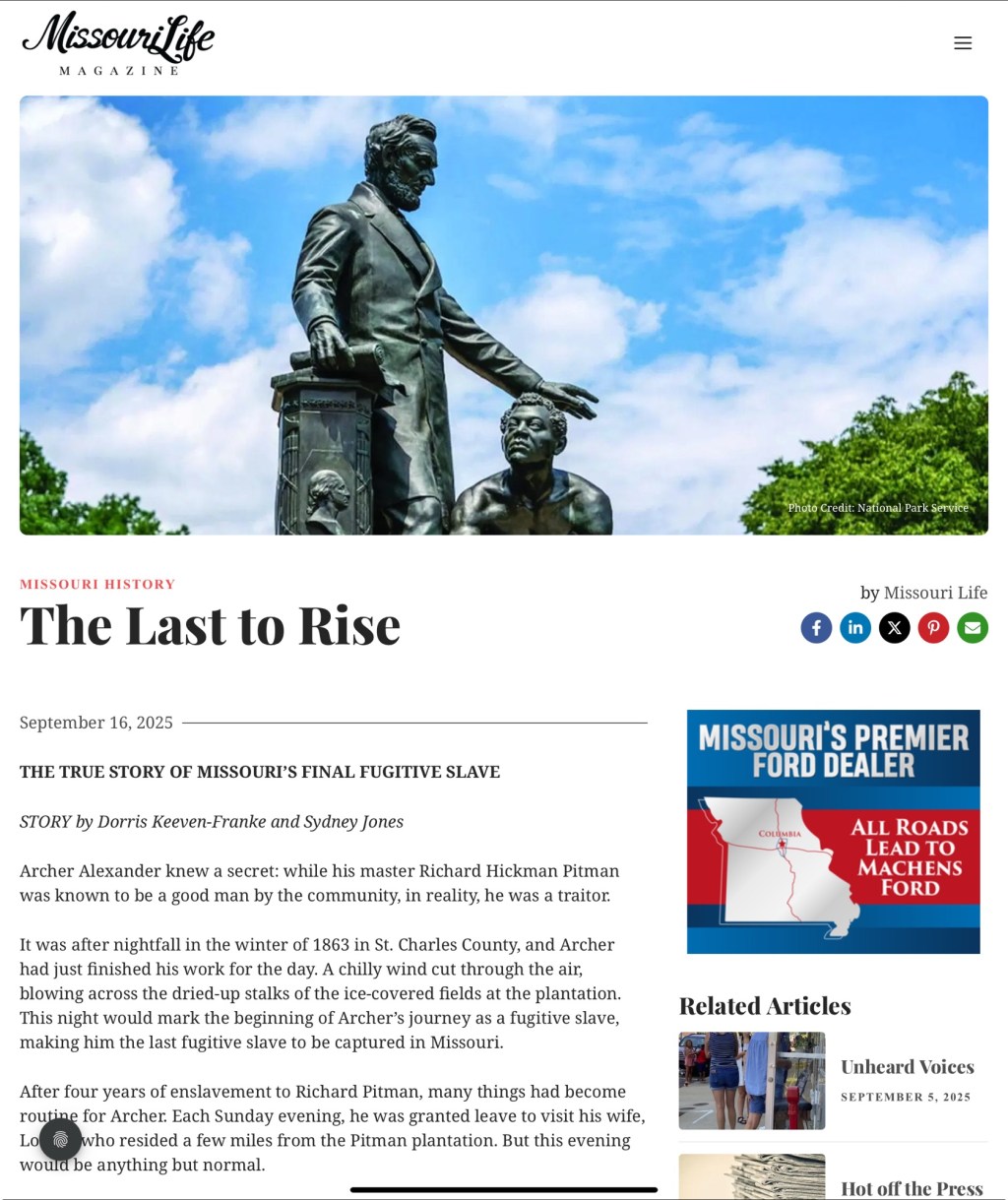
Sharing a recent story in Missouri Life Magazine about Archer Alexander …
-
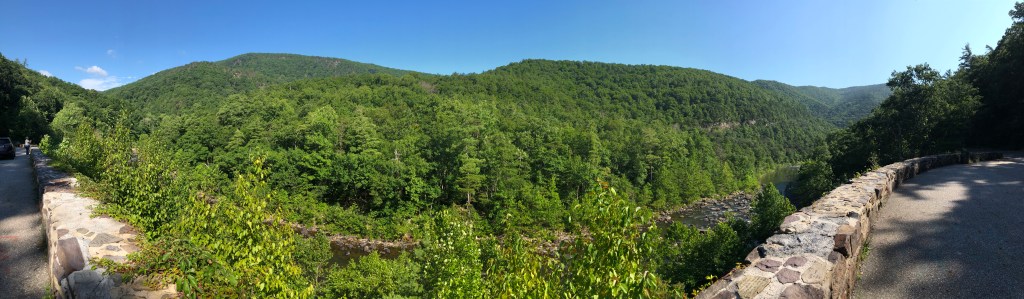
In 2019, I retraced the steps of Archer Alexander as he was brought from Virginia to Missouri, with his wife Louisa, and his son Wesley. They had spent over eight weeks traveling over 1,000 miles, a trip that can be made today in less than 11 hours.
-
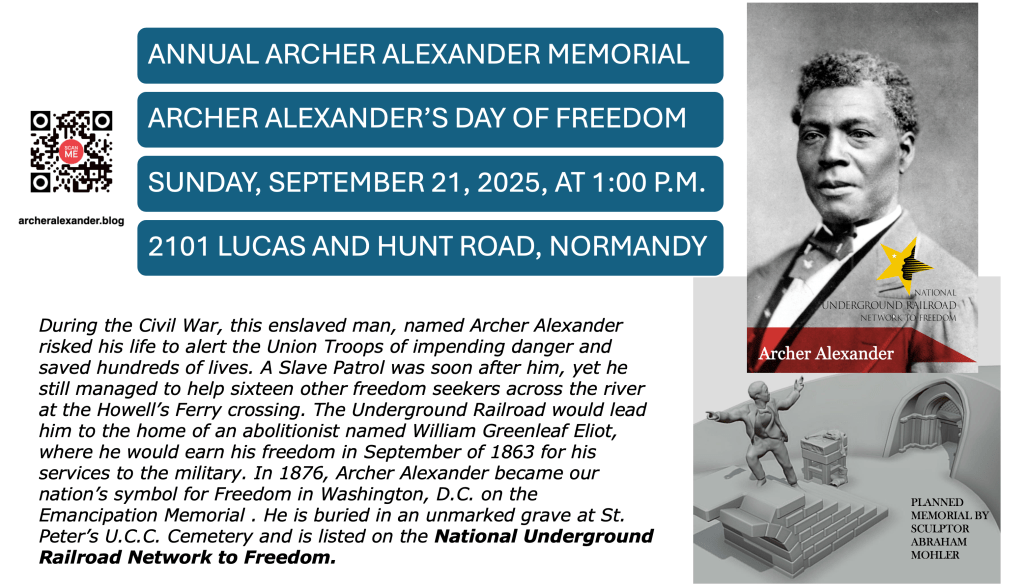
On Sunday, September 21, 2025 the public is invited to our Annual Archer Alexander Memorial service in honor of his Day of Freedom. Please join us at 1:00 p.m. in the St. Peter’s United Church of Christ Cemetery at 2101 Lucas and Hunt Road in Normandy (St. Louis) Missouri.
-
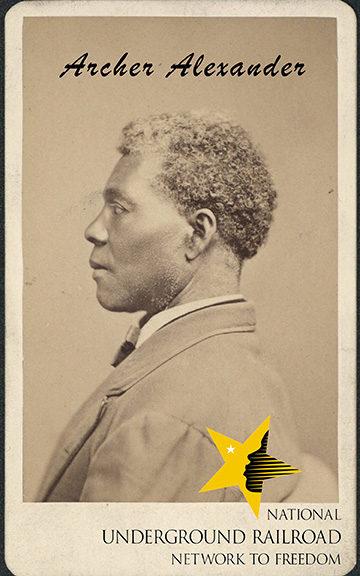
Archer Alexander was the last fugitive slave captured in Missouri, and received his freedom on September 24, 1863, for his important services to the United States Military (Union) after informing them of a plot to destroy a local railroad bridge. He saved hundreds of lives, and a vital link conveying troops, funds and supplies for…
-
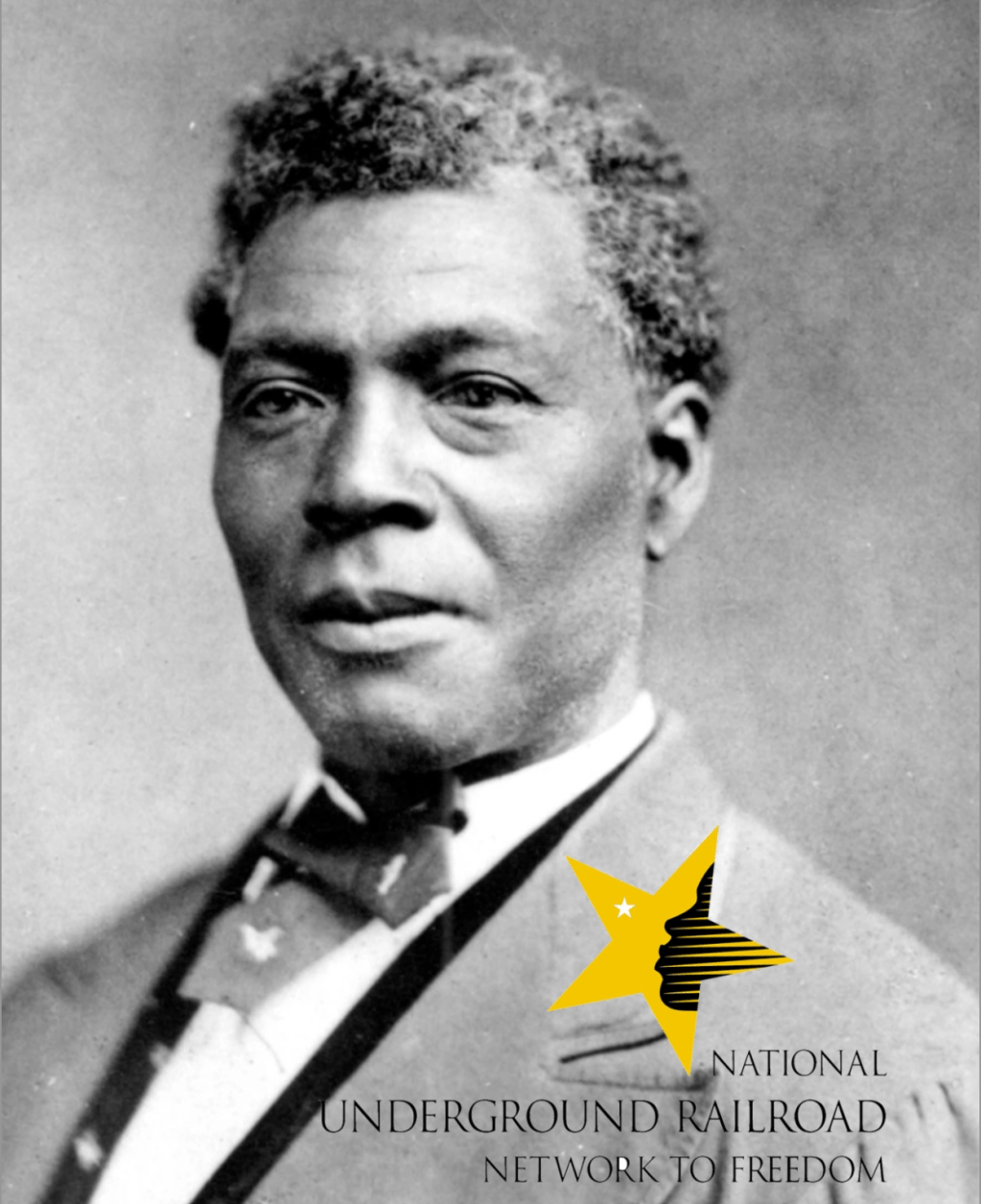
National Park Service adds the Archer Alexander and the Underground Railroad to the National Underground Railroad Network to Freedom Program
-
Originally called the Freedom Memorial, the Emancipation Memorial, still stands today in Lincoln Park, in Washington, D.C. The Memorial to President Abraham Lincoln, dedicated on April 14, 1876, was the first memorial to Lincoln erected by the formerly enslaved in grateful appreciation for the Emancipation Proclamation. The enslaved man seen with Lincoln was a real…
-
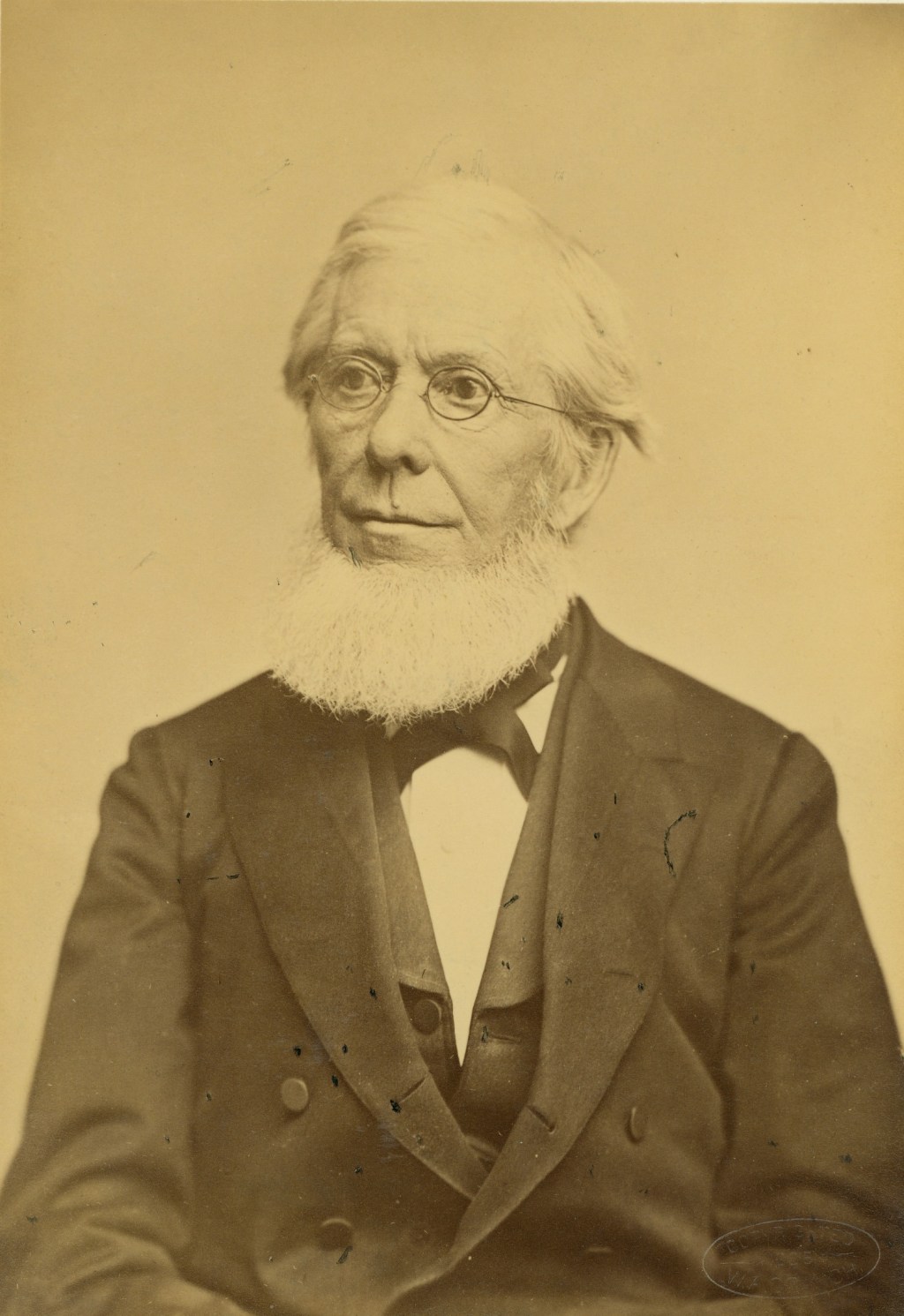
On this date, abolitionist William Greenleaf Eliot would make his final attempt to contact Archer Alexander’s enslaver Richard Hickman Pitman, of Cottleville, asking to purchase him, in order to see him emancipated.
-
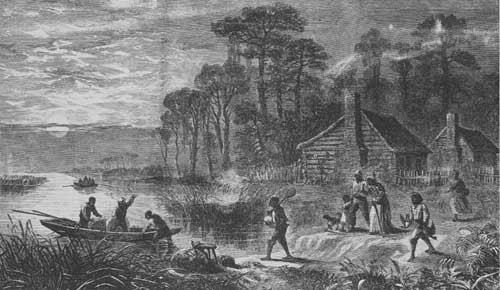
The discovery that Archer Alexander had been the informant who had passed information to the Union Troops about the Confederate’s plans, sent the whole area around Dardenne Prairie into turmoil! While the trains were halted, and the bridge repaired, everyone from Flint Hill to Naylor’s Store to Cottleville was looking for Pitman’s enslaved man….
-
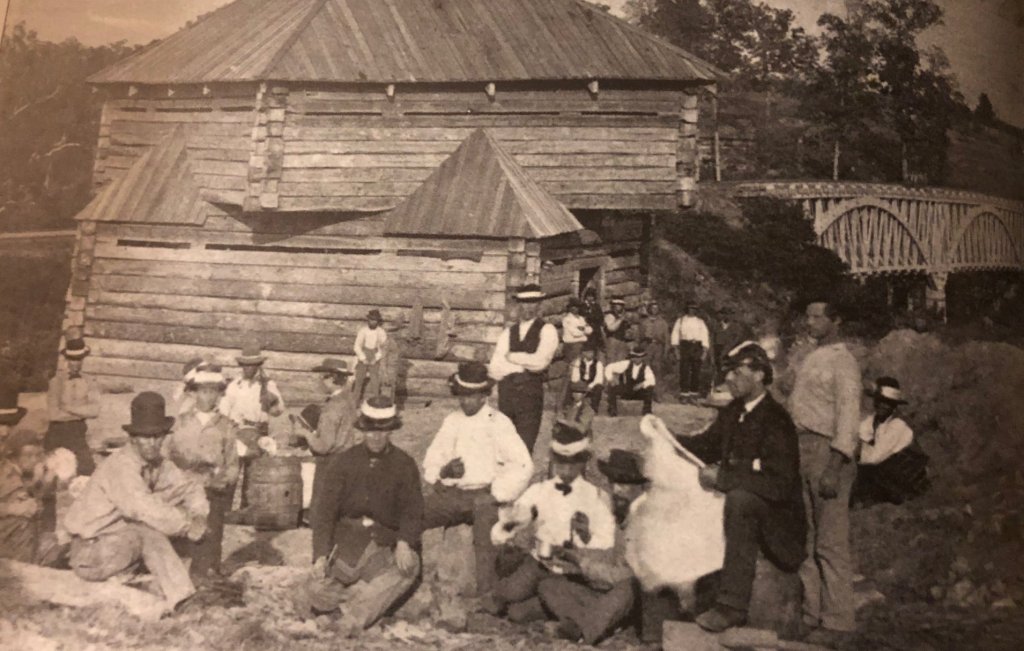
In February 1863, a freedom seeker named Archer Alexander would overhear the local Confederate men in the area, discussing their plans to destroy the Peruque Creek Railroad Bridge. They had been sawing the timbers of the huge wooden trestle, which served as a vital link for the Union Army, carrying troops, supplies and funds across…

 ARCHER ALEXANDER