Uncategorized
-
Sorry about the mix-up with the password-protected post on Saturday. The Archer Friends and Family Letter that was posted is now public instead of Protected – it normally goes out to those who have given their support to the Archer Alexander Memorial. If anyone is interested in receiving the newsletter in the future, please consider…
-
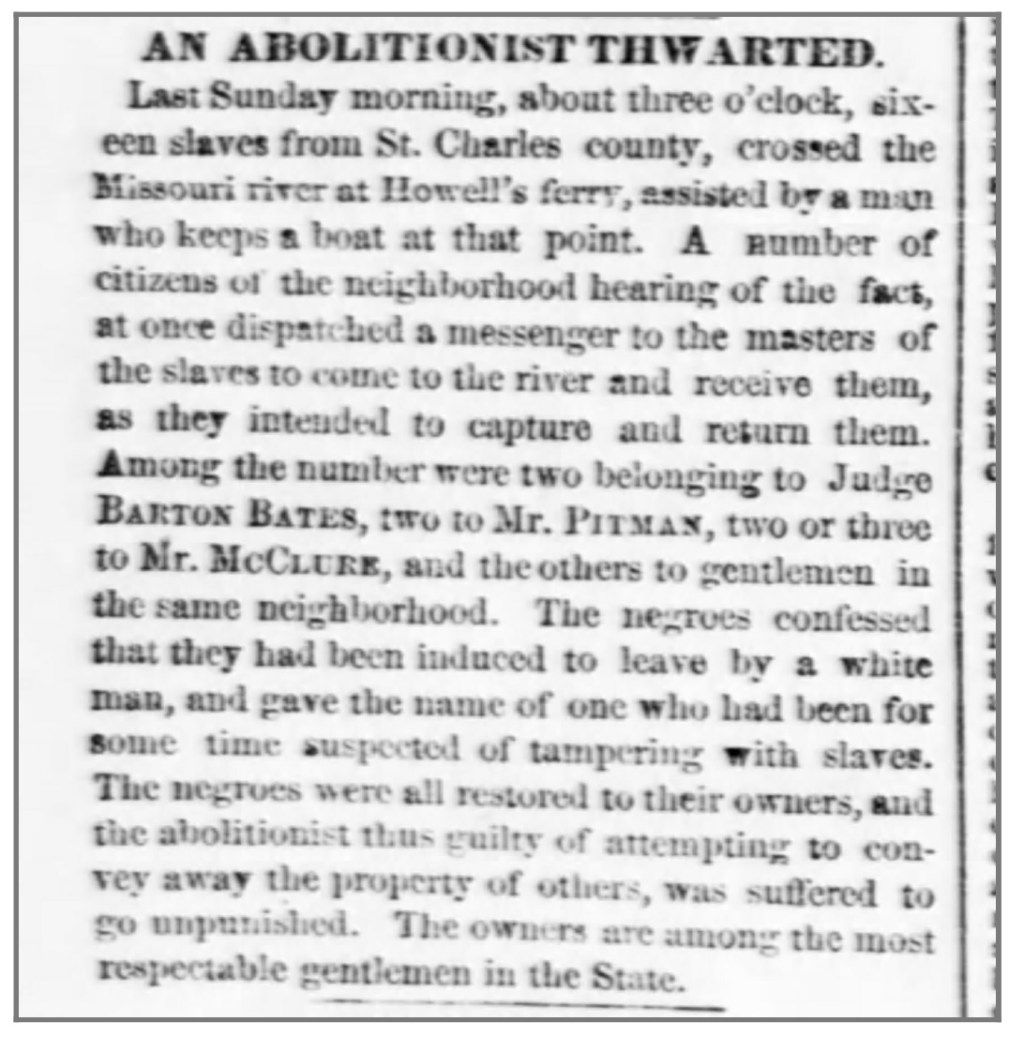
In February of 1863, on a frigid Sunday morning at 3:00 am, sixteen men attempted to make their way across an ice-blocked Missouri River in search of freedom. A local abolitionist, a German immigrant, had stowed a boat near the local ferry crossing, named Howell’s Ferry, for them to use.
-
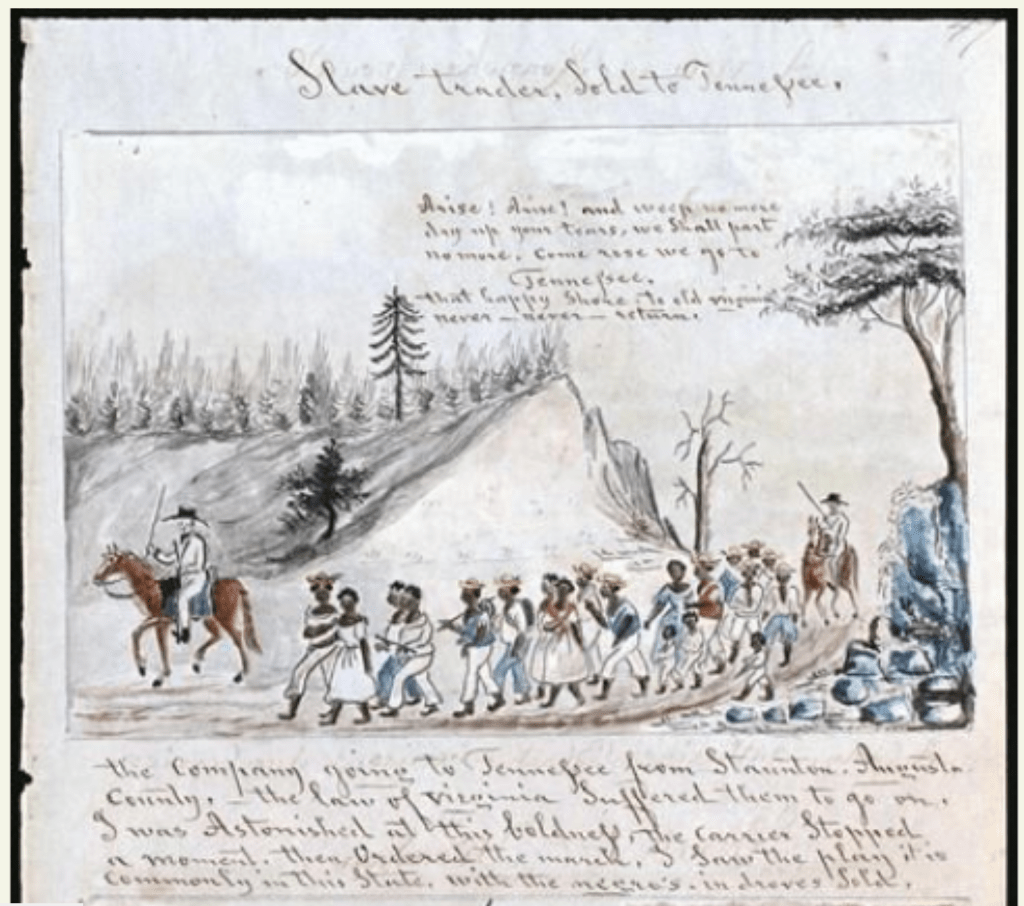
Journal entry September 12, 1829 Passed by the spot where two negro traders had been murdered by their chained slaves 2 or 3 weeks before. The torn fragments of their clothes were scattered about, the bushes beat down, the grass and leaves torn up, and other marks of a violent contest. Seven of the negroes…
-
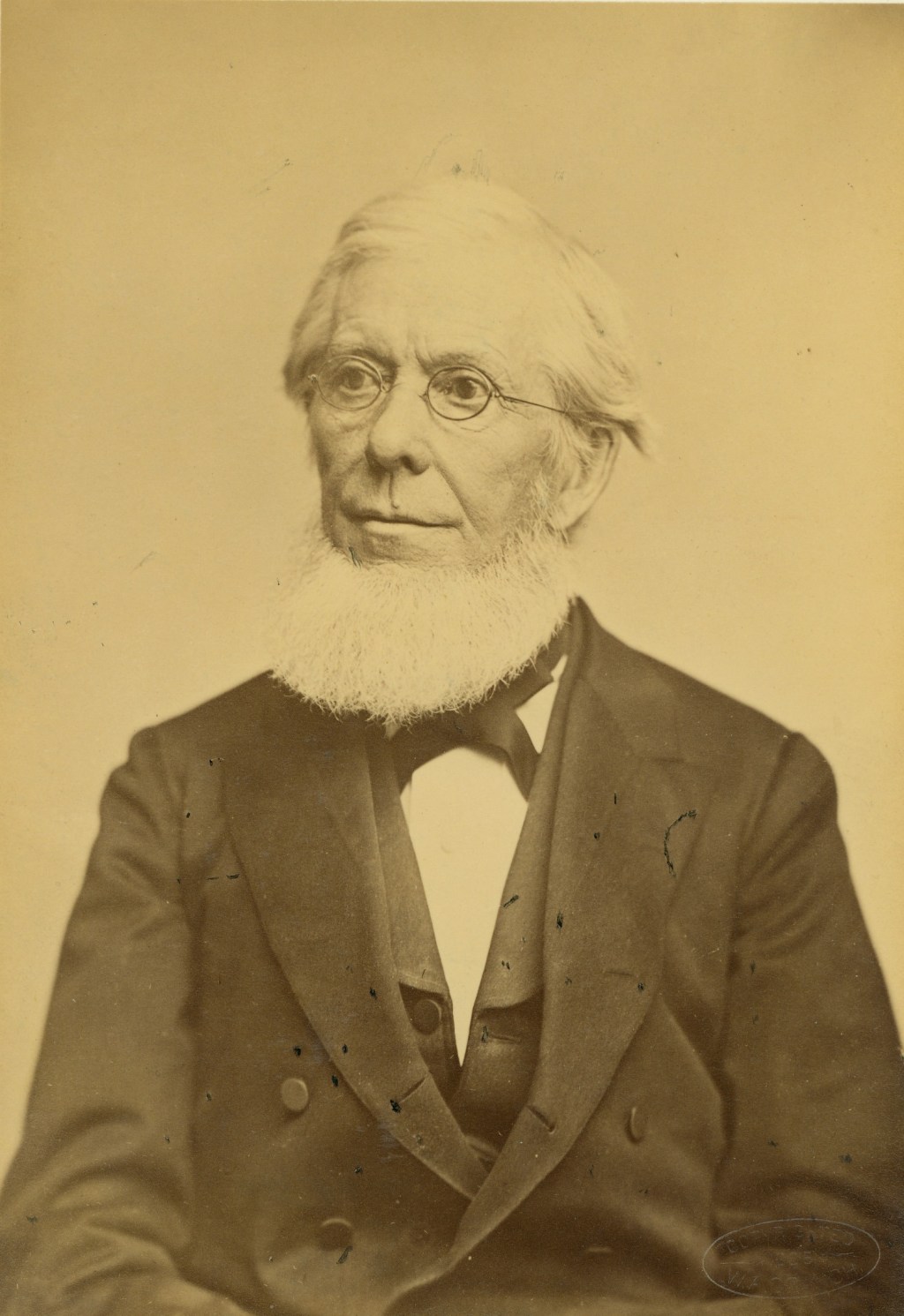
On this date, abolitionist William Greenleaf Eliot would make his final attempt to contact Archer Alexander’s enslaver Richard Hickman Pitman, of Cottleville, asking to purchase him, in order to see him emancipated.
-

Other McDowell “kin” back in Rockbridge were the family of Elizabeth Preston McDowell, who had married Thomas Hart Benton, who would be one of Missouri’s first Senator’s from 1821 until 1851. Their daughter Jessie would marry John C. Fremont. ..
-
Originally posted on Dorris Keeven-Franke: In recent years, historians have often rewritten or added to the public narrative on African American history in our country. New methodology has increased our ability to find documents supporting some stories while completely altering and eradicating others. This situation was complicated even further when the internet enabled so many…
-
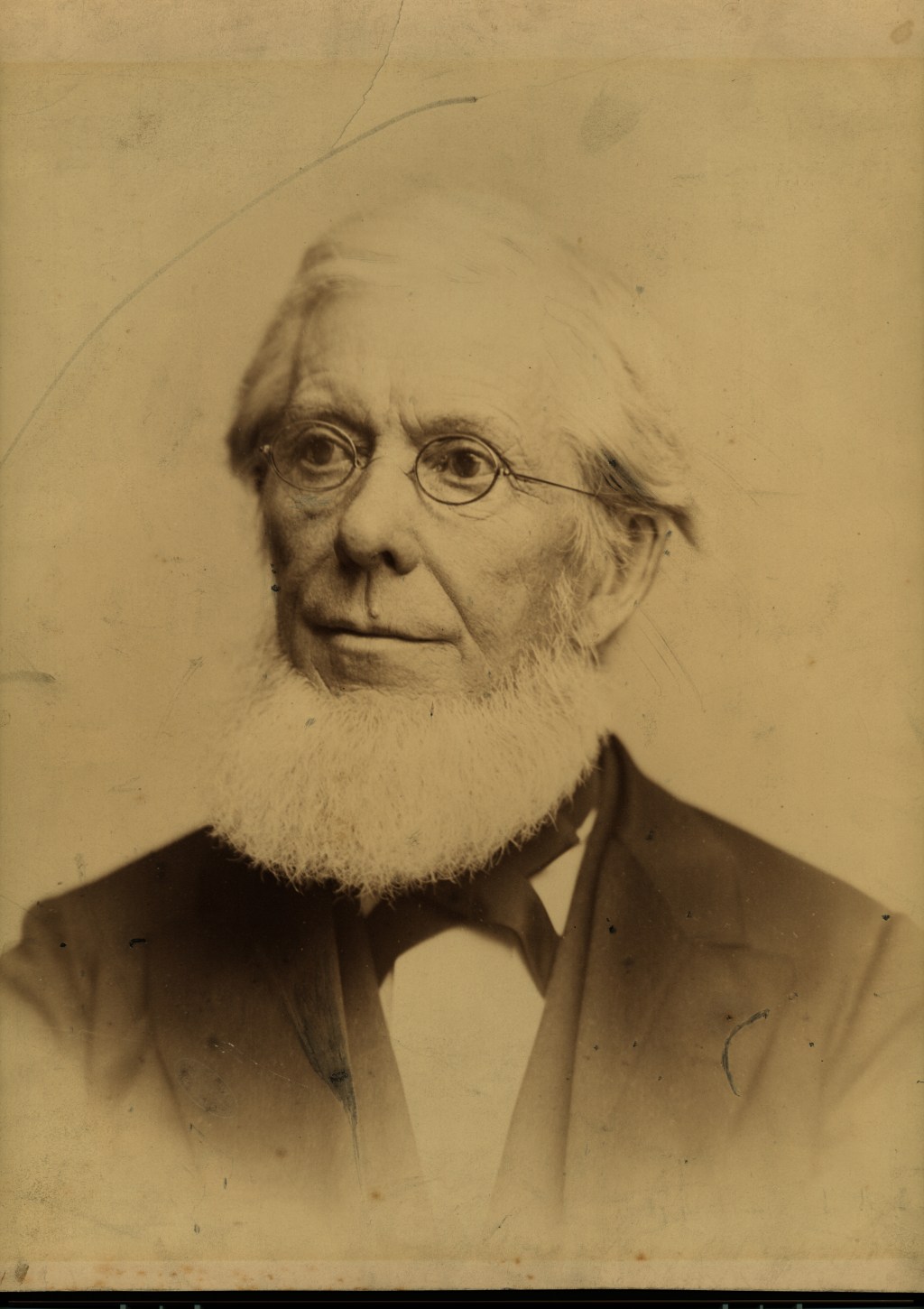
His early years in St. Louis would soon find him caught between the two forces of the rising conflict regarding the issues of enslavement…
-
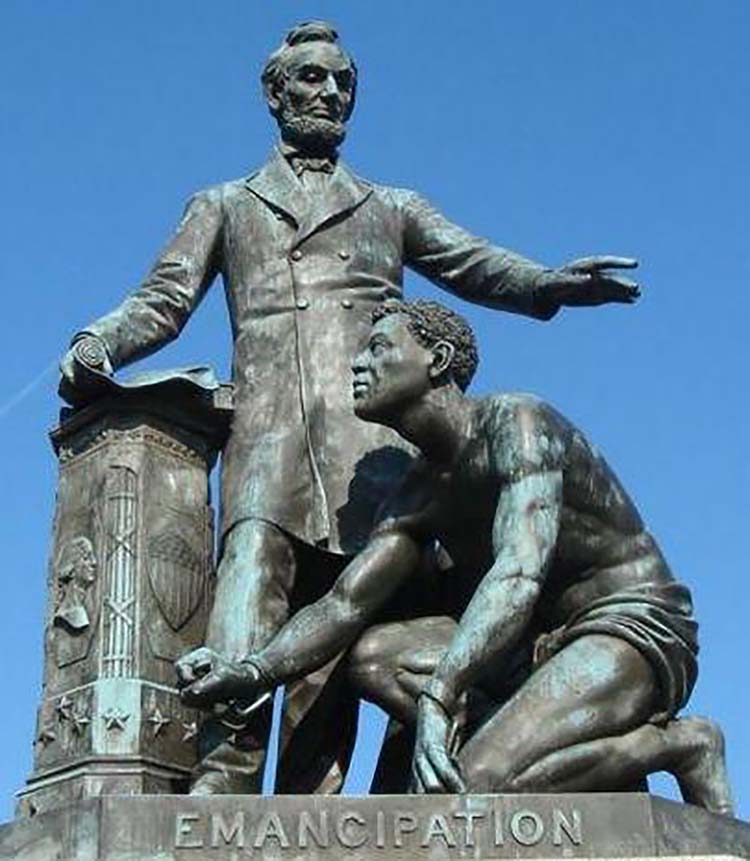
Originally posted on Dorris Keeven-Franke: I thought I was familiar with the story of Archer Alexander, the slave that portrays the gratitude the African Americans felt for President Abraham Lincoln. On the Emancipation Memorial in Lincoln Park in Washington, D.C. erected in 1876, Alexander is the image of the enslaved. ?After writing about the history…
-

In 1829, a small group of four families, Campbell, McCluer, Wilson and Alexander, all wealthy and well educated . planters from Virginia, came with their enslaved, about two dozen of them. They settled in “Dardenne” along the Booneslick Road, south of the Zumwalt place, (O’Fallon) in St. Charles County, Missouri. They were all members of…
-
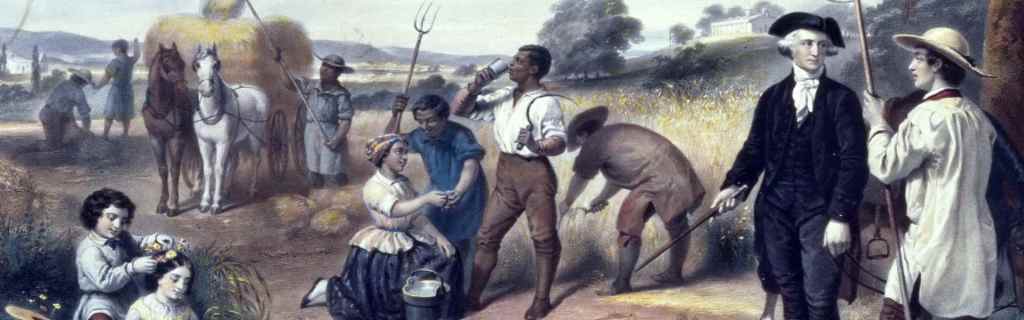
When Lincoln, a personal friend to Eliot, was assassinated, the formerly enslaved wanted a monument to Lincoln, and St. Louis’ former slave, Archer Alexander would be the one, to represent them, rising up and as Eliot says “breaking his own chains”.
-
The funding drive for the Emancipation Memorial began, according to much-publicized newspaper accounts from the era, with $5 given by former slave Charlotte Scott of Virginia, for the purpose of creating a memorial honoring Lincoln. The monument features Abraham Lincoln with Archer Alexander rising before him and boldly breaking his own chains. The Western Sanitary…
 ARCHER ALEXANDER