-
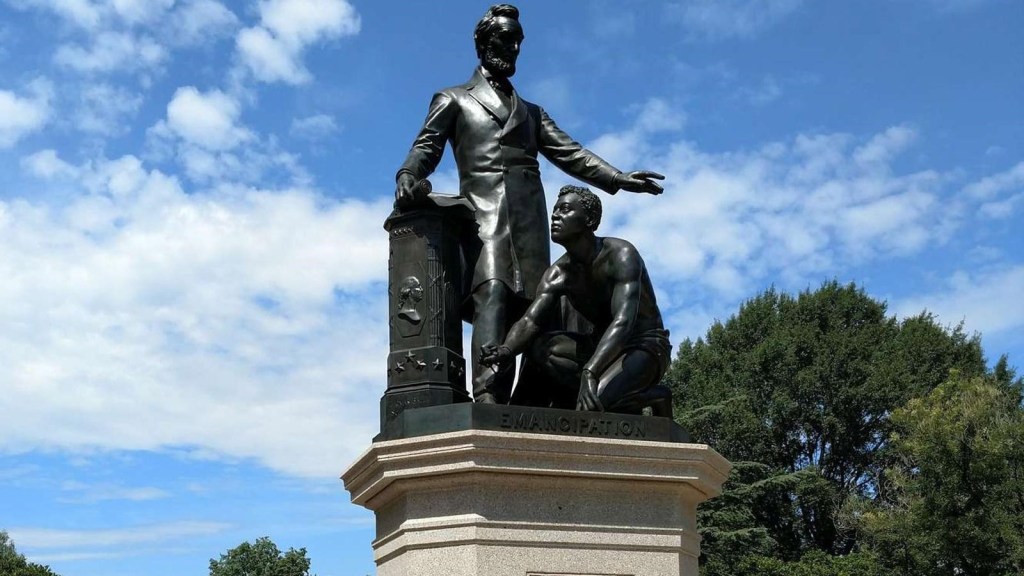
Lincoln’s Emancipation Proclamation was an executive order that read “on the first day of January, in the year of our Lord one thousand eight hundred and sixty-three, all persons held as slaves within any State or designated part of a State, the people whereof shall then be in rebellion against the United States, shall be…
-
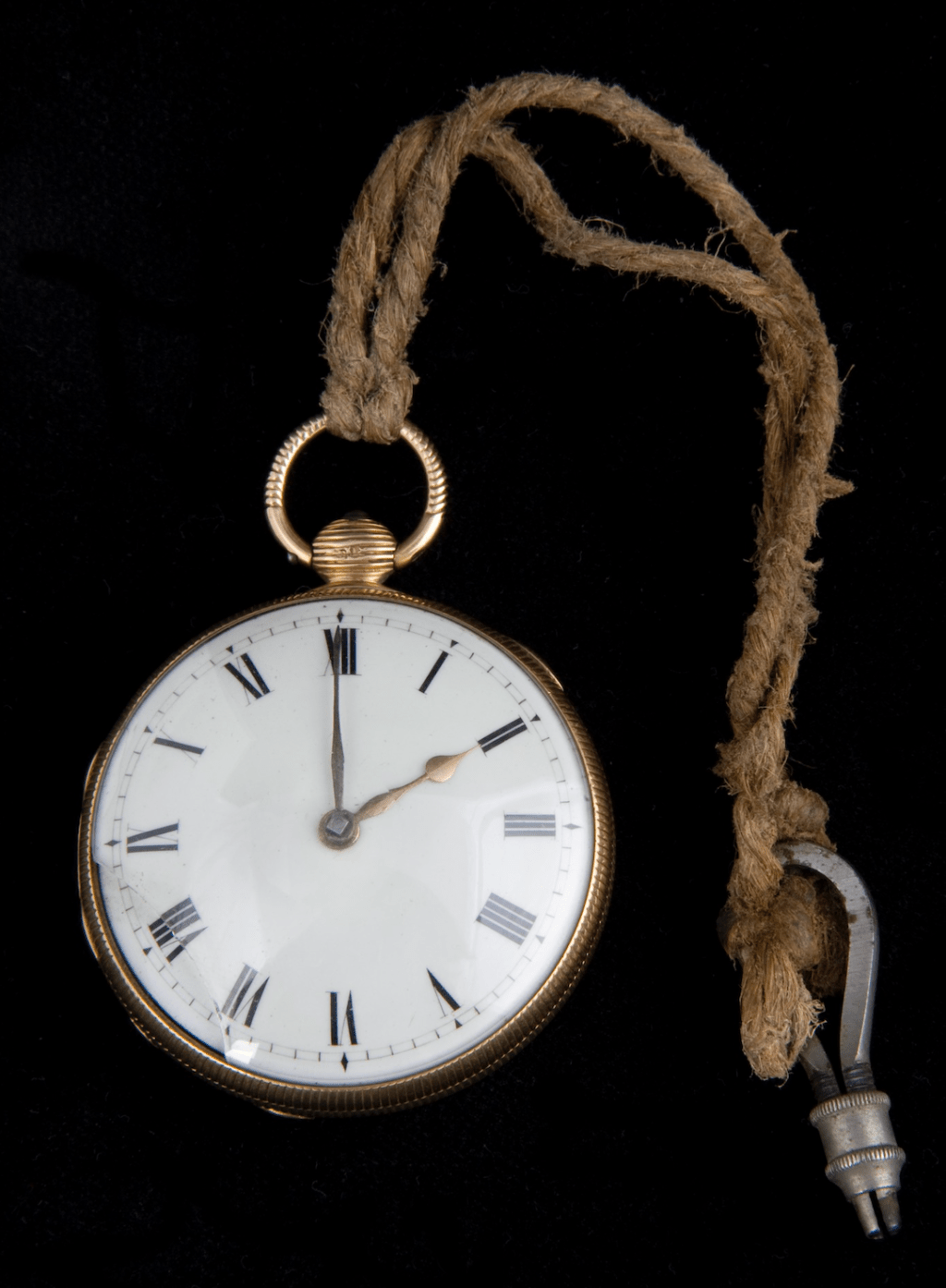
This spring, a new exhibit at the museum, titled “COLLECTED” will share Archer Alexander’s Gold Watch helping to bring his story to life once again… Read More
-
Lincoln’s Emancipation Proclamation declared all enslaved people shall be considered free on January 1, 1863. When Lincoln was assasinated on April 14, 1865, a memorial to Lincoln was erected paid for and dedicated in Washington, D.C. by the formerly enslaved. The enslaved man seen rising is Archer Alexander, the National Icon for Emancipation.
-
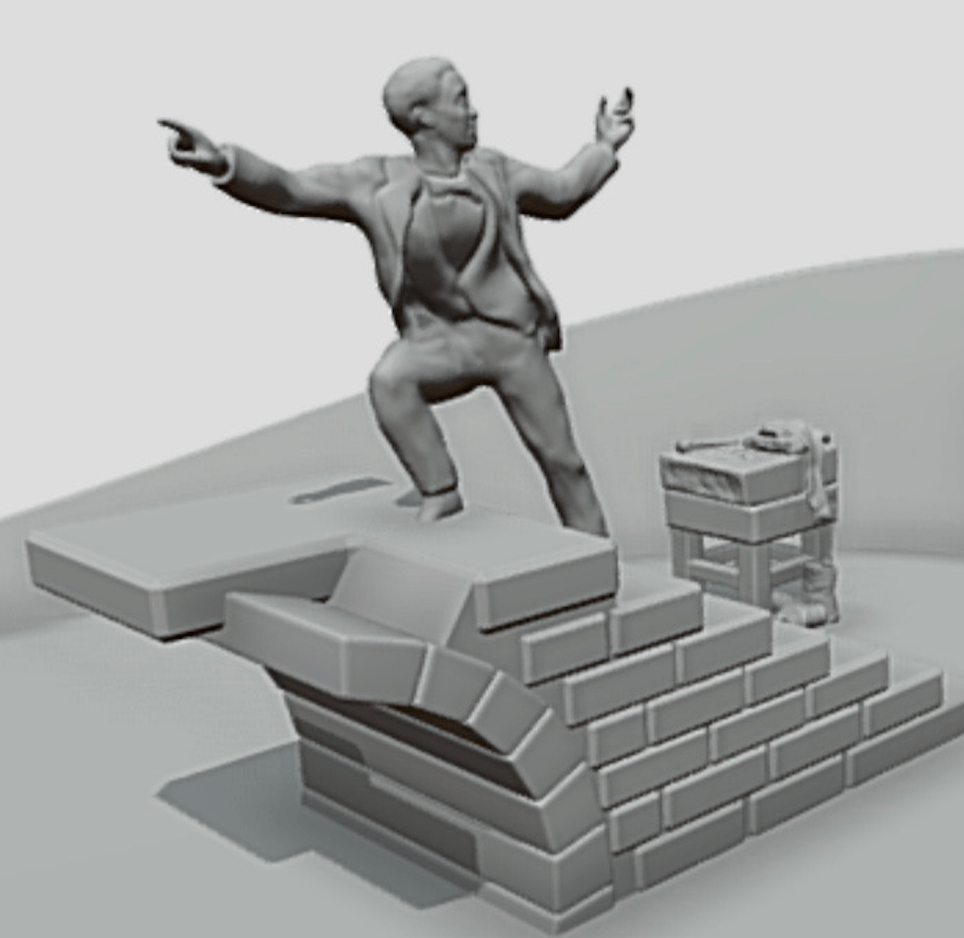
Since then, the talented sculptor Abraham Mohler has been chosen to create this memorial, that is way past due. After many discussions, the Archer Alexander Memorial will depict this man who not only resisted enslavement but was a leader among his people. Future generations will come to know the story of this real hero. His…
-
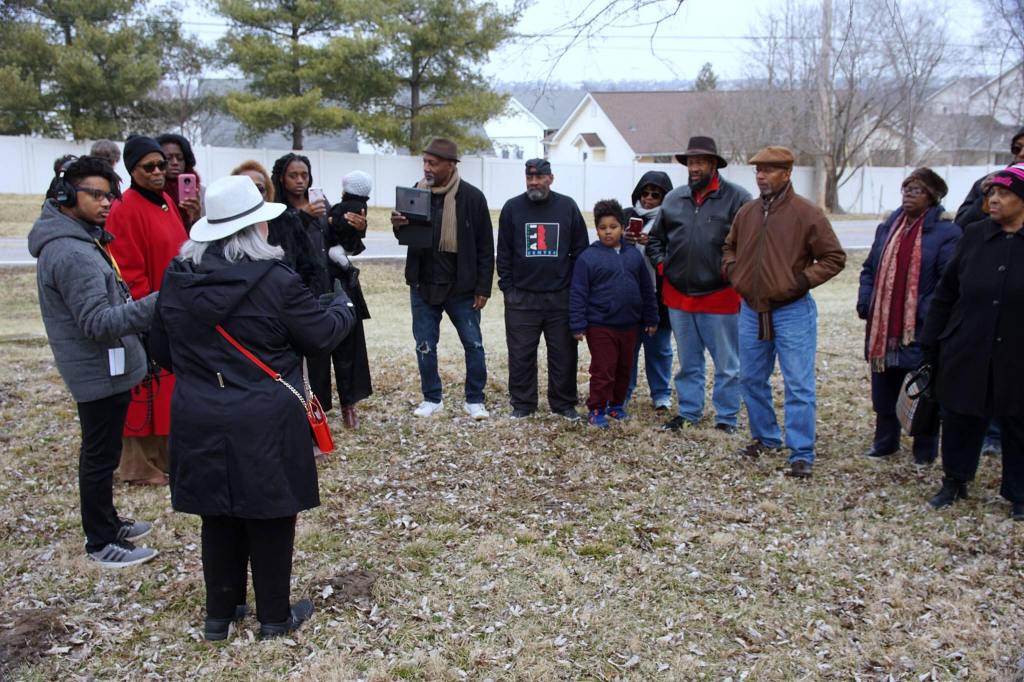
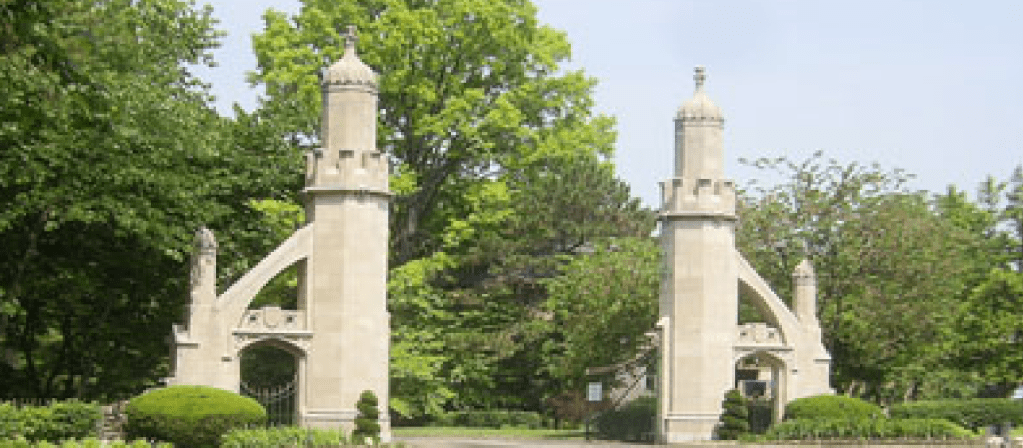
After many discussions, reviews, and thought, Abraham Mohler’s design for a new Memorial at St. Peter’s United Church of Christ Cemetery on Lucas and Hunt in St. Louis, will bring life to this American icon for Emancipation. Rejoicing in his glory of freedom, having left his enslaved life behind, he is truly rising, asking others…
-
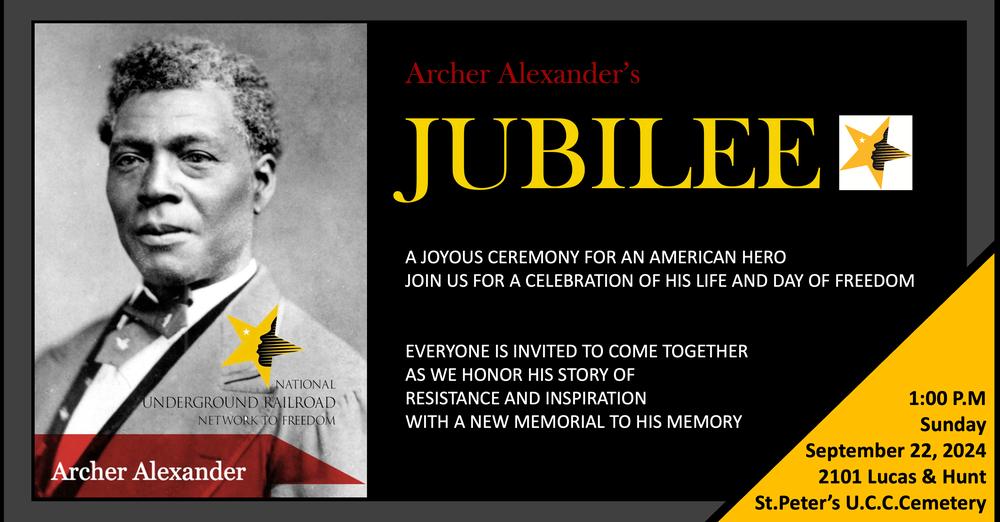
Join us as we celebrate Archer Alexander’s Day of Freedom! On Sunday, September 22, 2024 at 1:00 pm at St. Peter’s U.C.C. Cemetery (2101 Lucas & Hunt Road St. Louis 63121)
-
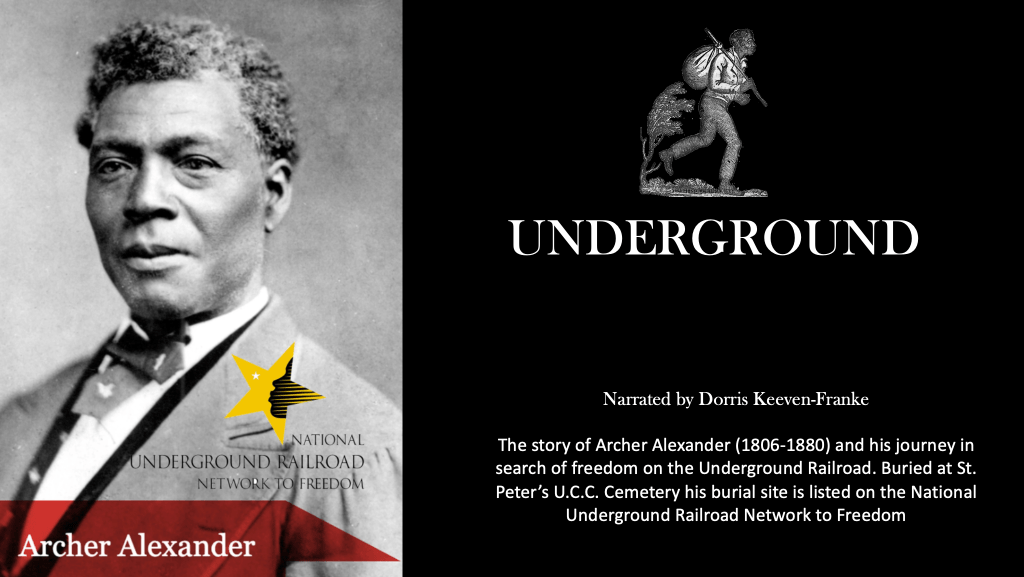
A short YouTube video shares Archer Alexander’s historic run for freedom on the Underground Railroad…
-

Come hear the story of Archer Alexander’s dangerous route to freedom on the Underground Railroad or join us at his Jubilee…
-
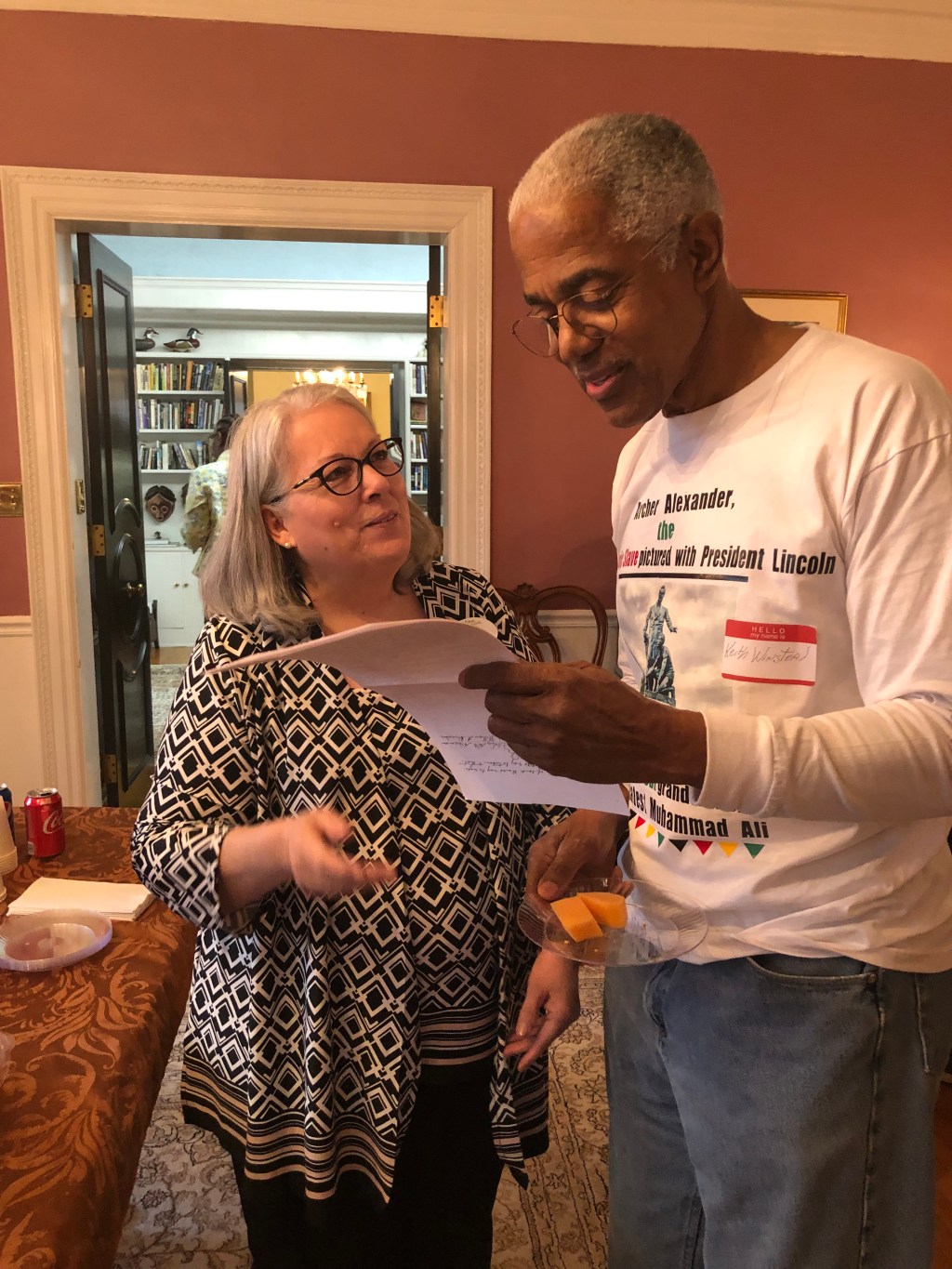
Over five years ago Bill Baumgartner, Superintendent of the St. Peter’s U.C.C. Cemetery located at 2101 Lucas and Hunt Avenue, in Normandy (St. Louis County) located the record that established that Archer Alexander is buried at St. Peters U.C.C. Cemetery in an unmarked gravesite. Read more…
-
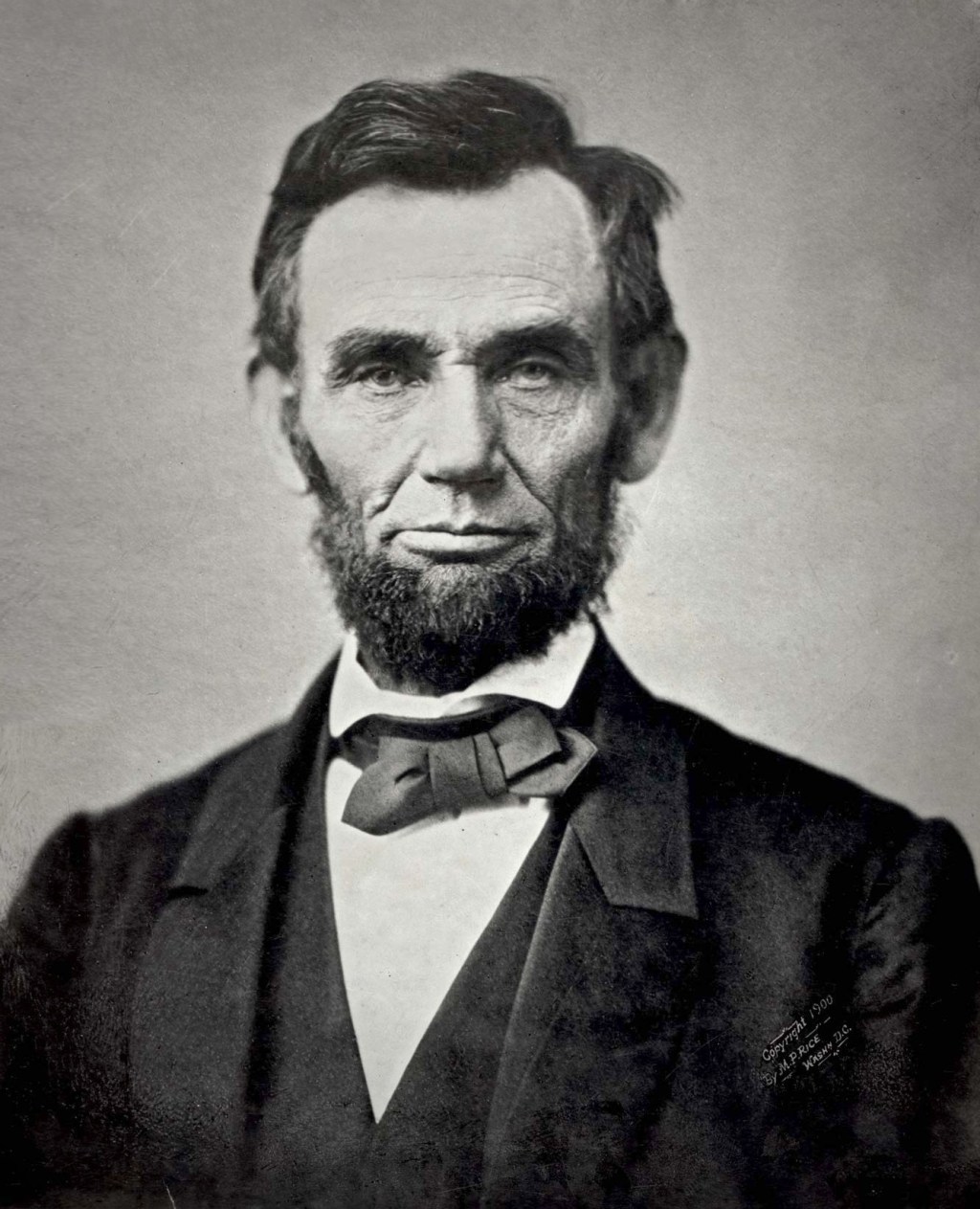
As we celebrate Juneteenth, we must recall the reason. The Emancipation Memorial was erected in 1876, by the formerly enslaved, and freedom seekers, to “the best friend the colored people ever had” President Abraham Lincoln. The man with Lincoln is freedom seeker Archer Alexander… read more
-
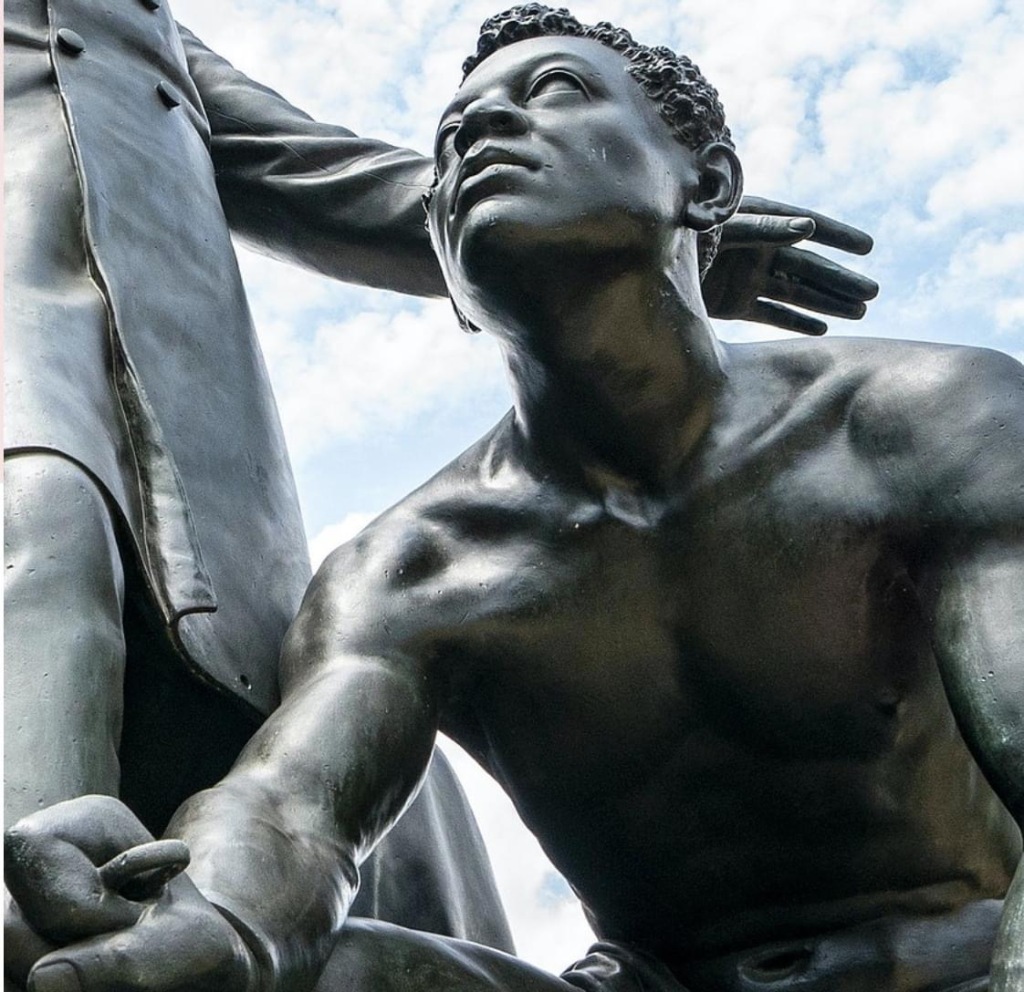
Look closely at the look on Archer Alexander’s face. Have you seen this memorial before? It was dedicated in 1876, with over 25,000 black people attending and its original name is the Freedom Memorial. It was entirely paid for by thousands of formerly enslaved black people.
-
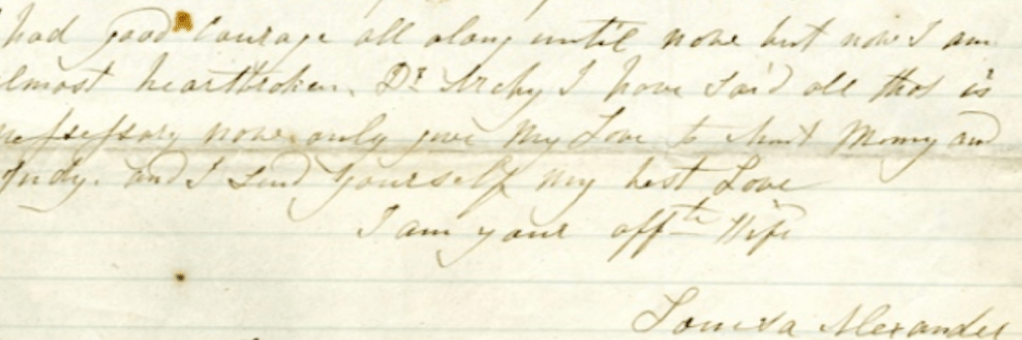
…and I send yourself my best Love, I am your affectionate wife, wrote Louisa Alexander to her husband Archer Alexander in November 16, 1863
-

Archer Alexander is the great-great-great grandfather of Muhammad Ali.
-
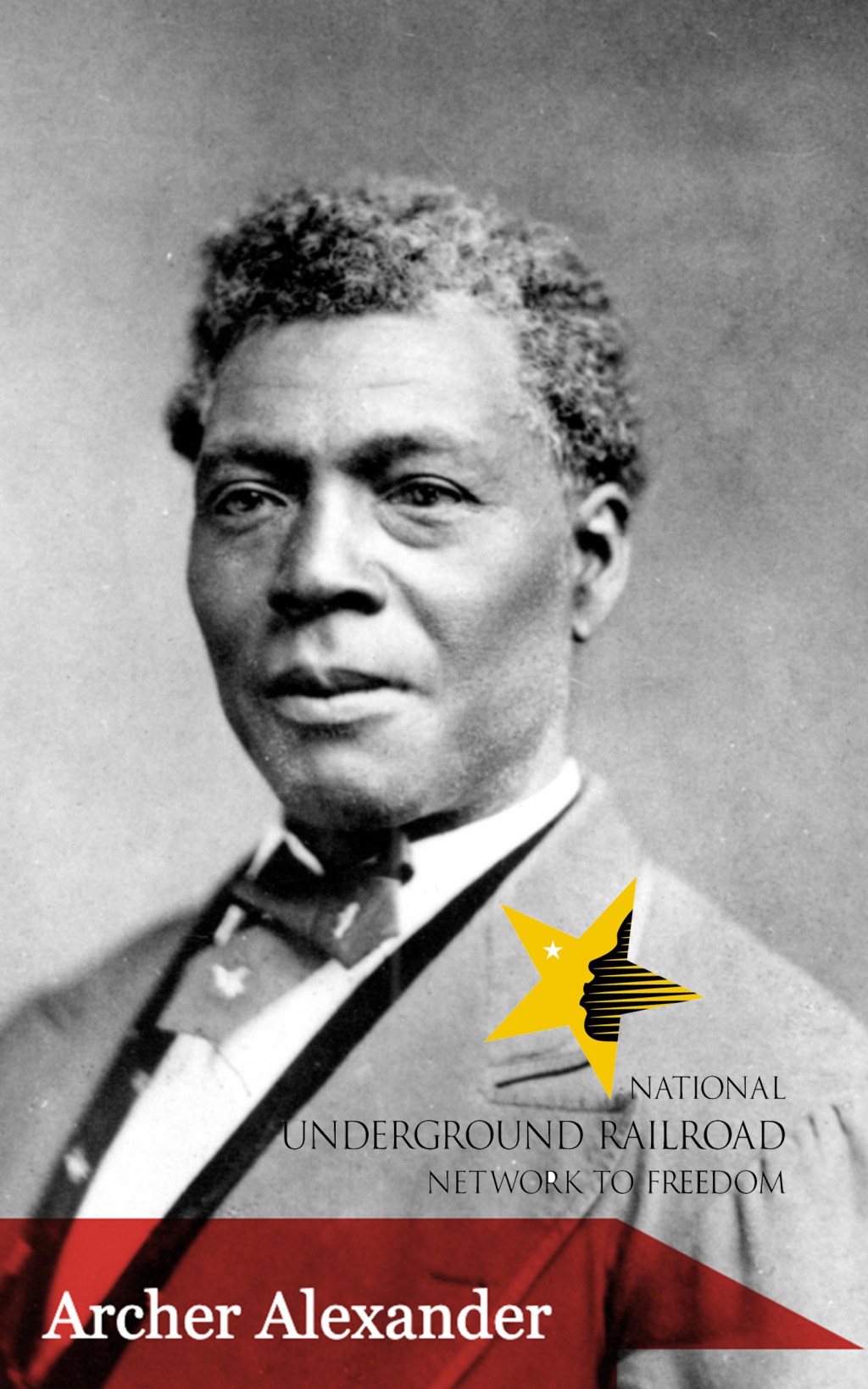
Free Virtual Program about Archer Alexander and the Underground Railroad on February 28, 2024 at 6:30 pm.
-
Archer Alexander’s burial site is listed on the National Underground Railroad Network to Freedom. Archer Alexander is the Great-Great-Great grandfather of Muhammad Ali. Dorris Keeven-Franke is an author and public historian. A professional genealogist and archivist, she shares the story of this enslaved man born in 1806 near Lexington, Rockbridge County, Virginia. Taken to Missouri…
-
Here are three well-known African American couples in St. Louis, Missouri, whose perseverance and lives as freedom seekers are well-documented, yet the history of their burials has become obscured or tangled. Sadly, none of these couples are buried with their spouses, and only by carefully examining each story are we even able to begin to…
-
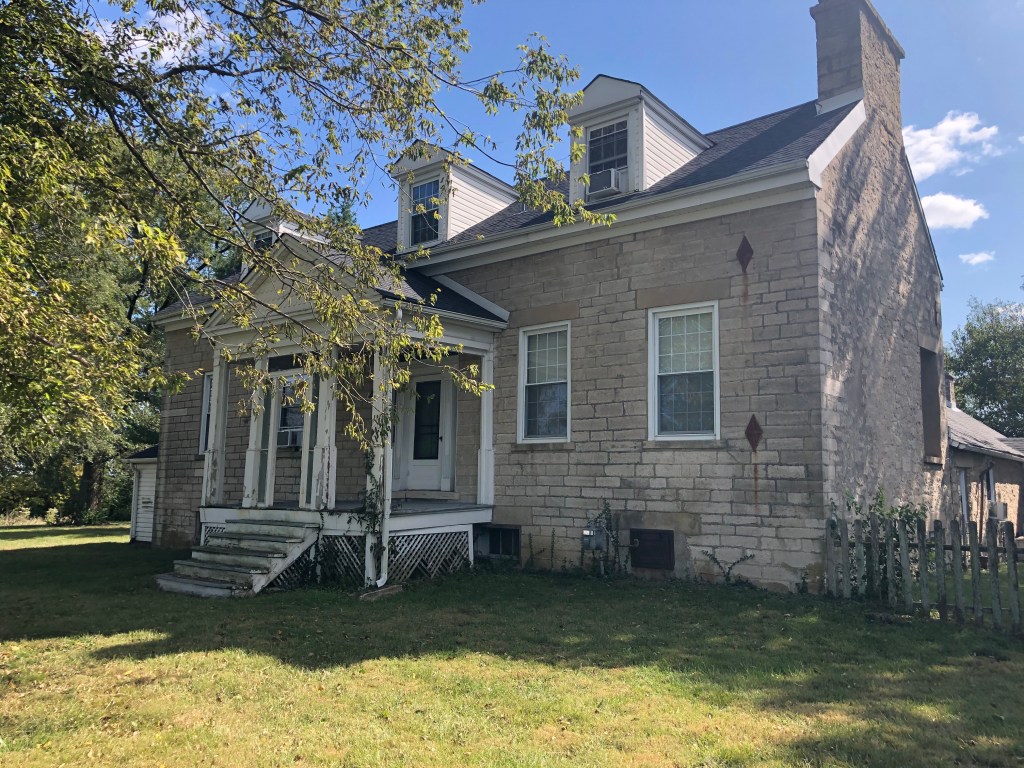
When Archer arrived in Dardenne Prairie in Saint Charles County on October 8th in 1829, he was 23 years old. Born in 1806, his parents Aleck and Chloe were the property of the Alexander family. He was owned by James Alexander of Rockbridge County, near Lexington, in Virginia. His wife Louisa, born as property of…
-

The enslaved person called Archey, was named for William Campbell’s maternal grandfather, Archibald Alexander, who was also an ancestor of the Alexander and McCluer families also in the caravan. All Presbyterian elders, and farmers in Virginia, they had served in the Revolutionary War and all owned slaves. Archer, who was born in 1806, also had…
-
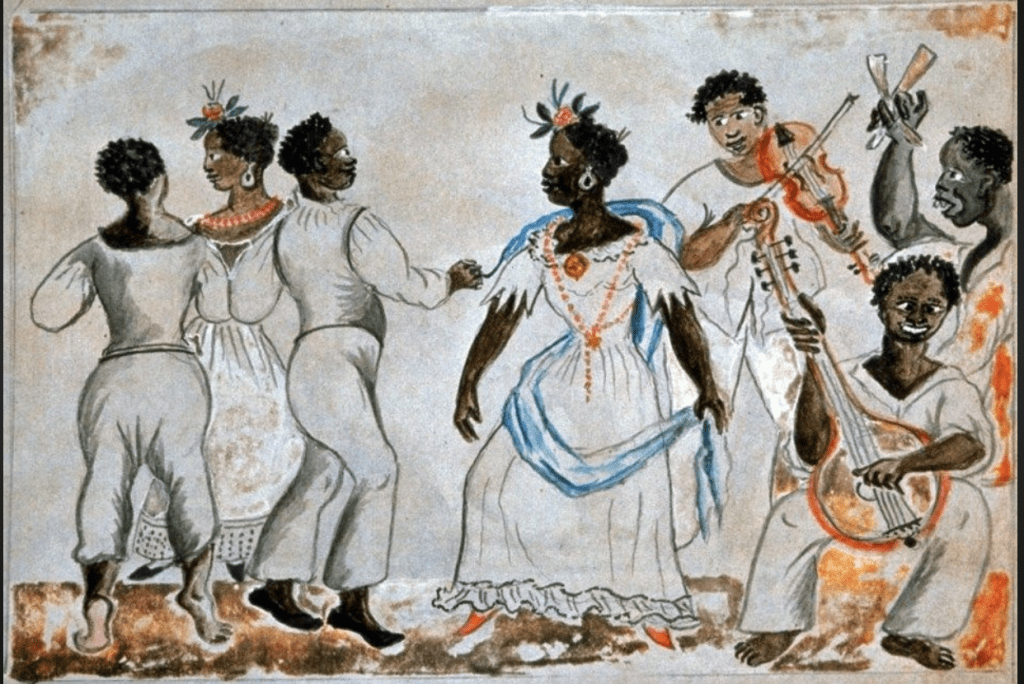
Forty one days ago, on August 20, 1829 William Campbell first wrote: I started from Lexington, Virginia on a journey to the state of Missouri. My own object in going to that remote section of the Union was to seek a place where I might obtain an honest livelihood by the practice of law. I…
-
Archer Alexander, a freedom seeker enslaved in St. Charles, Missouri, was first captured in February 1863 when sixteen men made their attempt for freedom at Howell’s Ferry on the Missouri River. Alexander made his way to St. Louis and the home of an abolitionist named William Greenleaf Eliot, where his enslaver attempted to recapture him.…
-

Like his father and mother before him, Archer had never been away from Rockbridge County Virginia where he had been born in 1806. He had never seen anything what he’d encountered these past six weeks. The caravan had entered Illinois, where the first state Constitution in 1818 stated that while slavery shall not be “thereafter…
-
On September 27, 2023, the National Underground Railroad Network to Freedom announced new listings to their program, and Archer Alexander Burial Site, St. Peter’s Cemetery, St. Louis will be among the 23 new listings joining the over 750 listings nationwide.
-
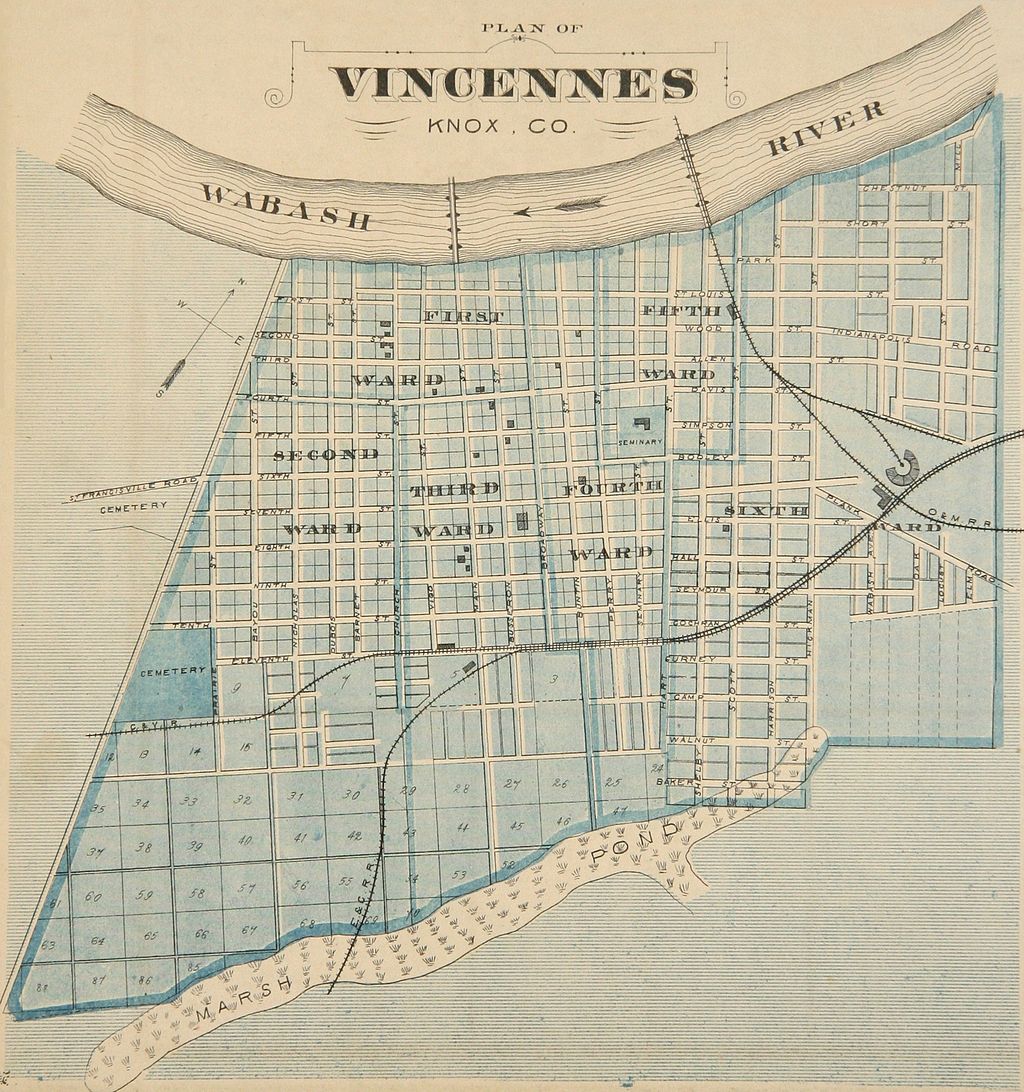
The caravan completed its’ crossing of the state of Indiana. America was on the move.These things are not on the mind of these fifty weary travelers, of which Archer Alexander is a member. In 1876, the Freedom’s Memorial a monument in Washington, D.C. was the vision of thousands of the formerly enslaved people that President…
-

On the 27th of September the caravan is crossing Indiana. This is the journal of William Campbell, moving four families from Rockbridge County Virginia to Saint Charles County Missouri. The caravan is made up of just four families. Between the Alexander, McCluer and Wilson families, they own twenty-five people, half of the caravan. Archer Alexander…
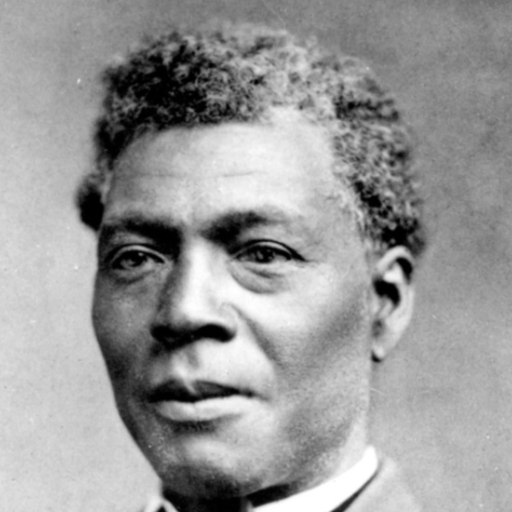
ARCHER ALEXANDER
The Last Fugitive Slave
 ARCHER ALEXANDER