Freedom Memorial
-
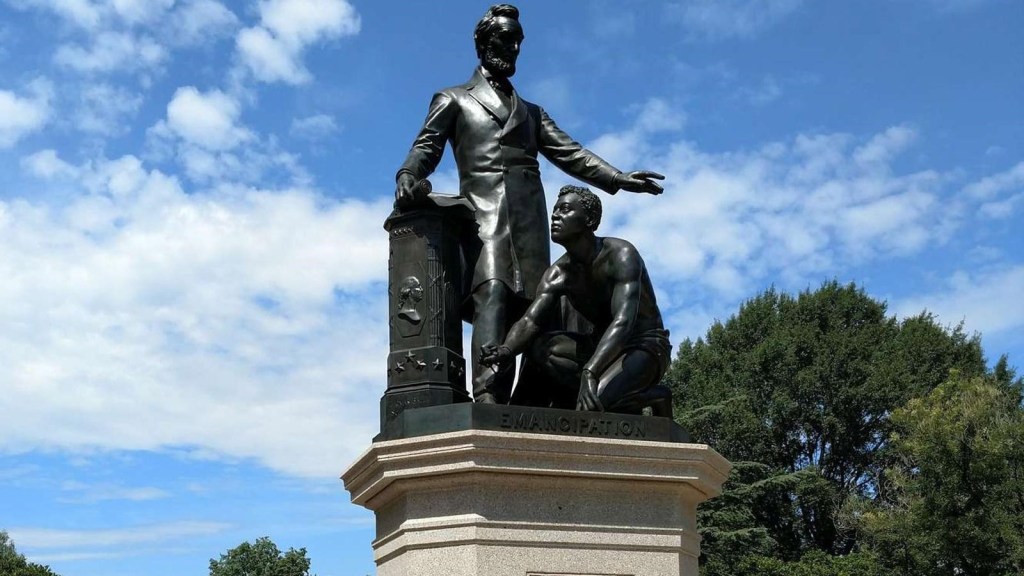
The Thirteenth Amendment to the United States Constitution abolished slavery and involuntary servitude, except for punishment of a crime. On October 20, 1940, the U.S. Postal Service issued a 3 cent postage stamp with the image of that Monument. The Emancipation Monument served as the primary national memorial to Lincoln in DC until 1922, when the Lincoln Memorial…
-
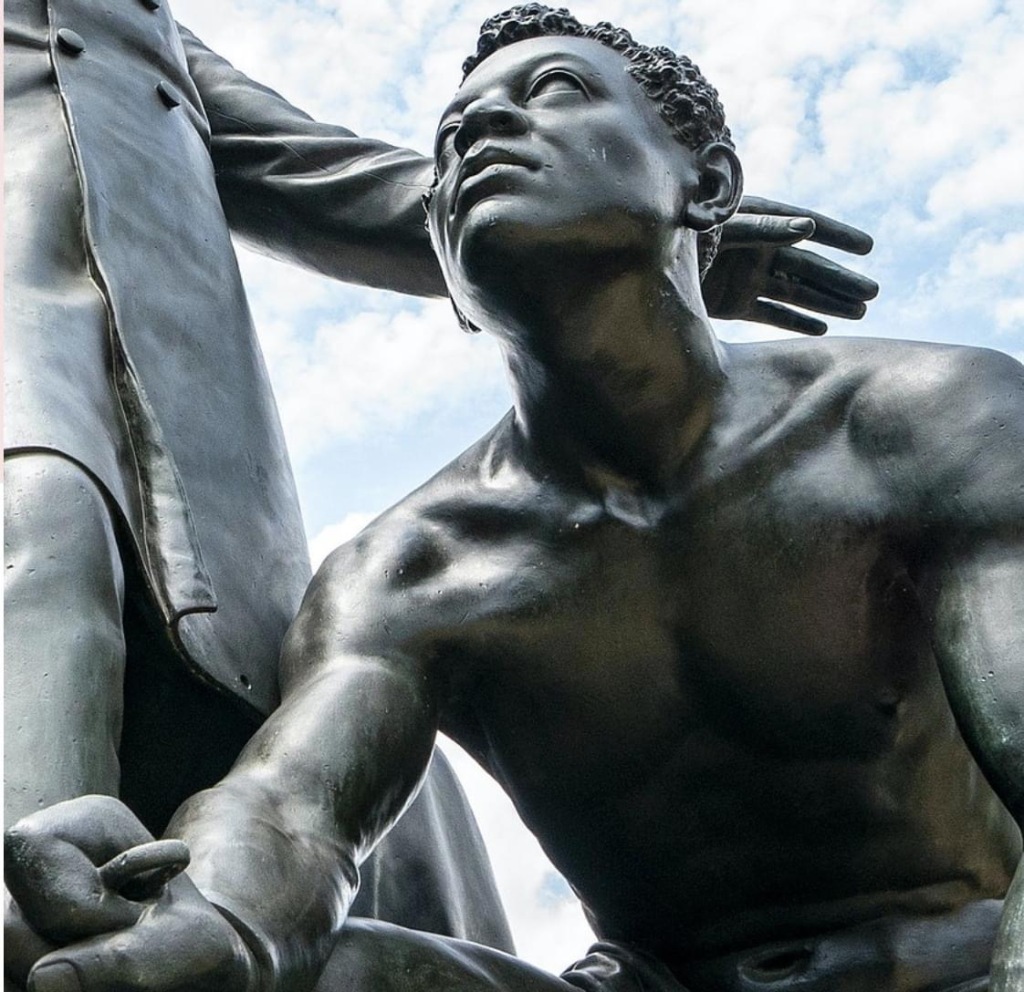
Look closely at the look on Archer Alexander’s face. Have you seen this memorial before? It was dedicated in 1876, with over 25,000 black people attending and its original name is the Freedom Memorial. It was entirely paid for by thousands of formerly enslaved black people.
-

On April 14, 1876, a 70-year-old black man named Archer Alexander, would be immortalized as the man that represented the former enslaved on the Freedom Memorial in our Nation’s Capital. President Lincoln was the very man who had given him freedom …
-

Archer can still be seen today, rising from his knees, his shackles broken, looking up towards Lincoln. Archer Alexander is no longer just a local boy, as he rises next to Lincoln on the Emancipation Memorial today, in Lincoln Park in Washington, D.C.. Please sign the Petition to save the monument .
-

It is said that those that do not know their history, are doomed to repeat it. Let us all rise up, by learning the truth of our history. Our ancestors, fought side by side to put an end to slavery. There are those of us that are willing to stand side by side, to once…
-

Who was Keith Winstead’s ancestor Archer Alexander? In 1863, he was a man who chose to do the right thing. When he overheard his master plotting to sabotage the local railroad bridge, he risked being lynched and reported it. He fled from St Charles County to St. Louis, where he was taken into the home…
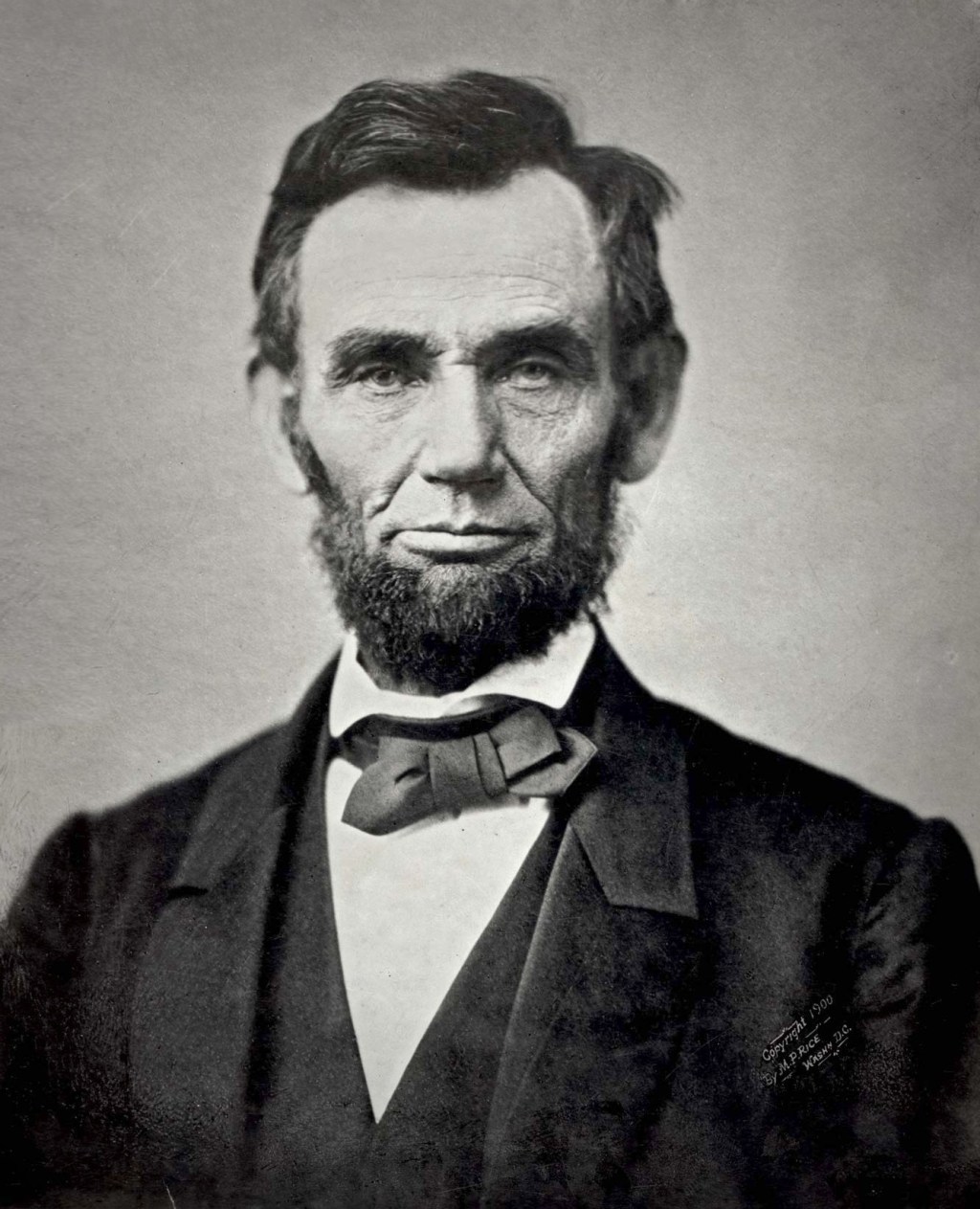
 ARCHER ALEXANDER