slavery
-

The Dedication included, not only President Ulysess S. Grant, but the great orator Frederick Douglass as well. Marcia Scott would be present but the other man on the monument, Archer Alexander was not there that day.
-
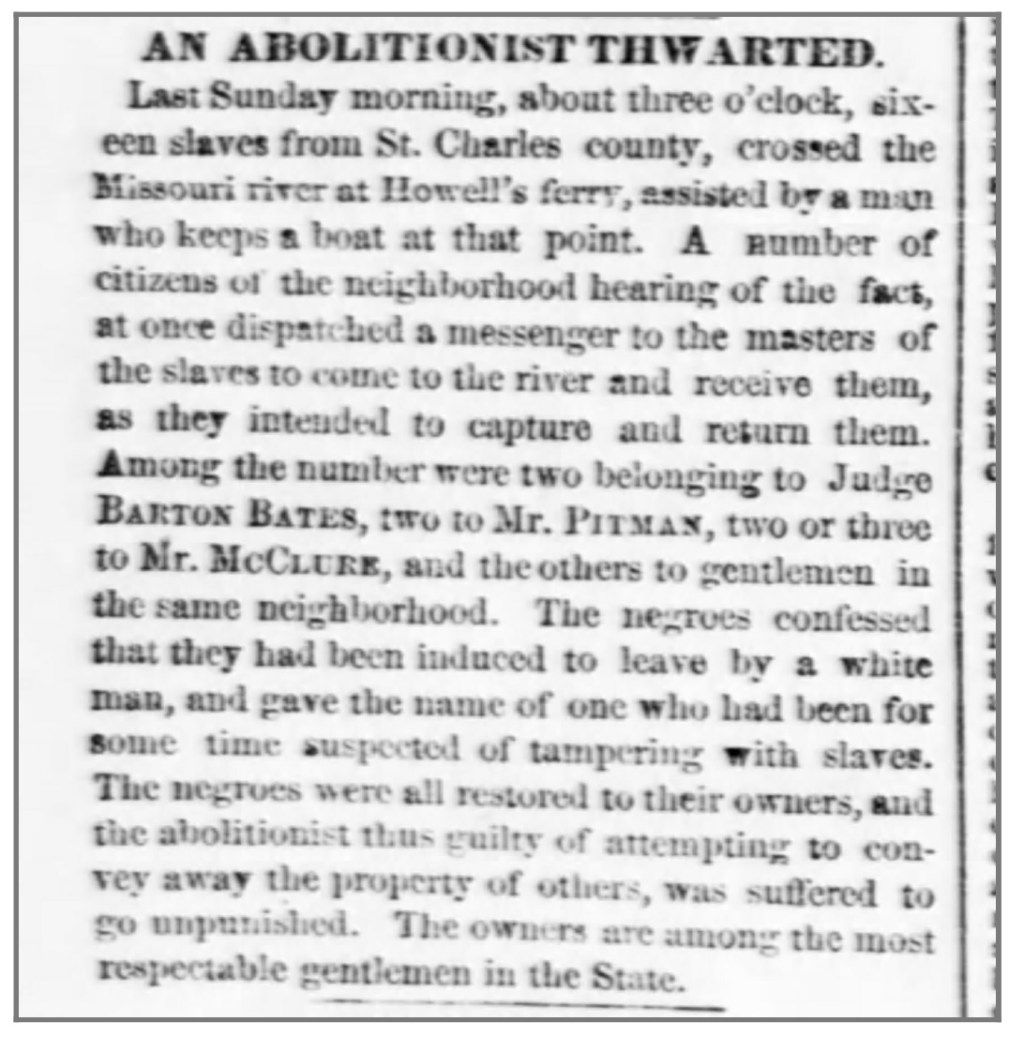
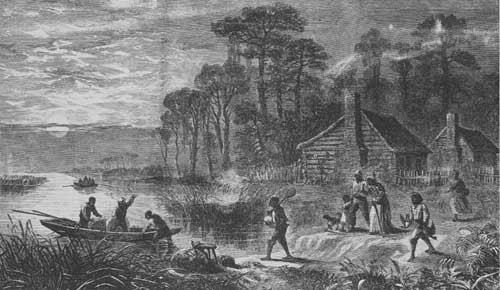
In February of 1863, on a frigid Sunday morning at 3:00 am, sixteen men attempted to make their way across an ice-blocked Missouri River in search of freedom. A local abolitionist, a German immigrant, had stowed a boat near the local ferry crossing, named Howell’s Ferry, for them to use.
-
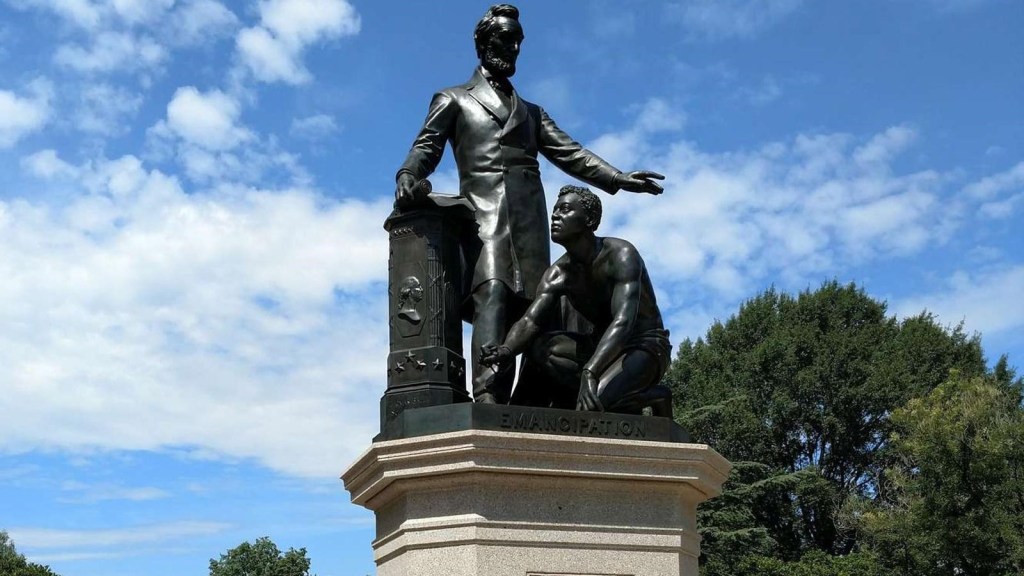
Originally called the Freedom Memorial, the Emancipation Memorial, still stands today in Lincoln Park, in Washington, D.C. The Memorial to President Abraham Lincoln, dedicated on April 14, 1876, was the first memorial to Lincoln erected by the formerly enslaved in grateful appreciation for the Emancipation Proclamation. The enslaved man seen with Lincoln was a real…
-
The discovery that Archer Alexander had been the informant who had passed information to the Union Troops about the Confederate’s plans, sent the whole area around Dardenne Prairie into turmoil! While the trains were halted, and the bridge repaired, everyone from Flint Hill to Naylor’s Store to Cottleville was looking for Pitman’s enslaved man….
-
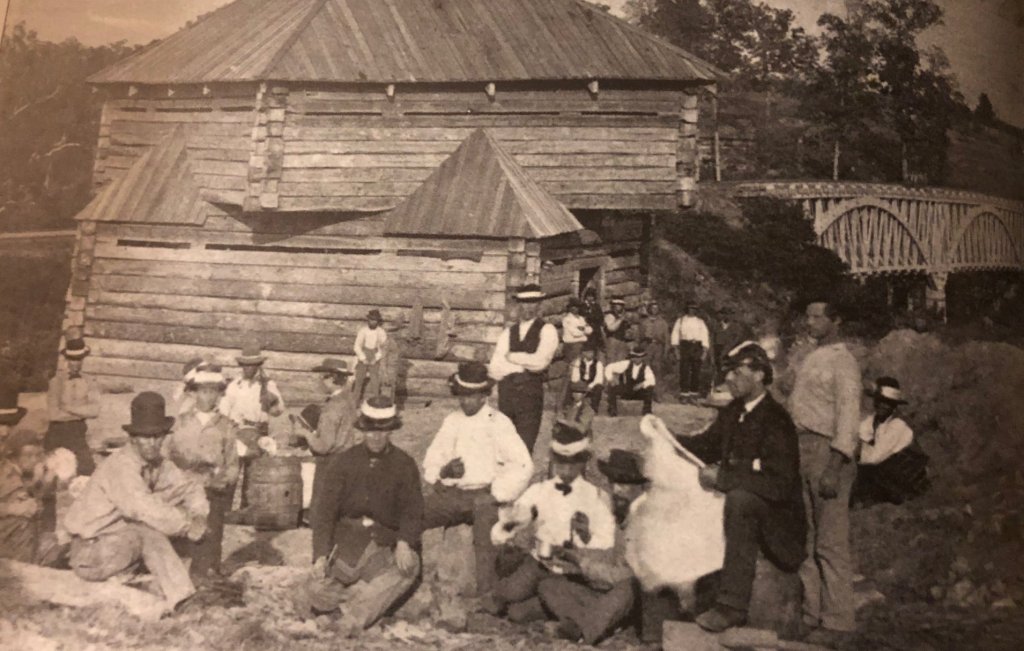
In February 1863, a freedom seeker named Archer Alexander would overhear the local Confederate men in the area, discussing their plans to destroy the Peruque Creek Railroad Bridge. They had been sawing the timbers of the huge wooden trestle, which served as a vital link for the Union Army, carrying troops, supplies and funds across…
-
Lincoln’s Emancipation Proclamation was an executive order that read “on the first day of January, in the year of our Lord one thousand eight hundred and sixty-three, all persons held as slaves within any State or designated part of a State, the people whereof shall then be in rebellion against the United States, shall be…
-
Lincoln’s Emancipation Proclamation declared all enslaved people shall be considered free on January 1, 1863. When Lincoln was assasinated on April 14, 1865, a memorial to Lincoln was erected paid for and dedicated in Washington, D.C. by the formerly enslaved. The enslaved man seen rising is Archer Alexander, the National Icon for Emancipation.
-

Like his father and mother before him, Archer had never been away from Rockbridge County Virginia where he had been born in 1806. He had never seen anything what he’d encountered these past six weeks. The caravan had entered Illinois, where the first state Constitution in 1818 stated that while slavery shall not be “thereafter…
 ARCHER ALEXANDER