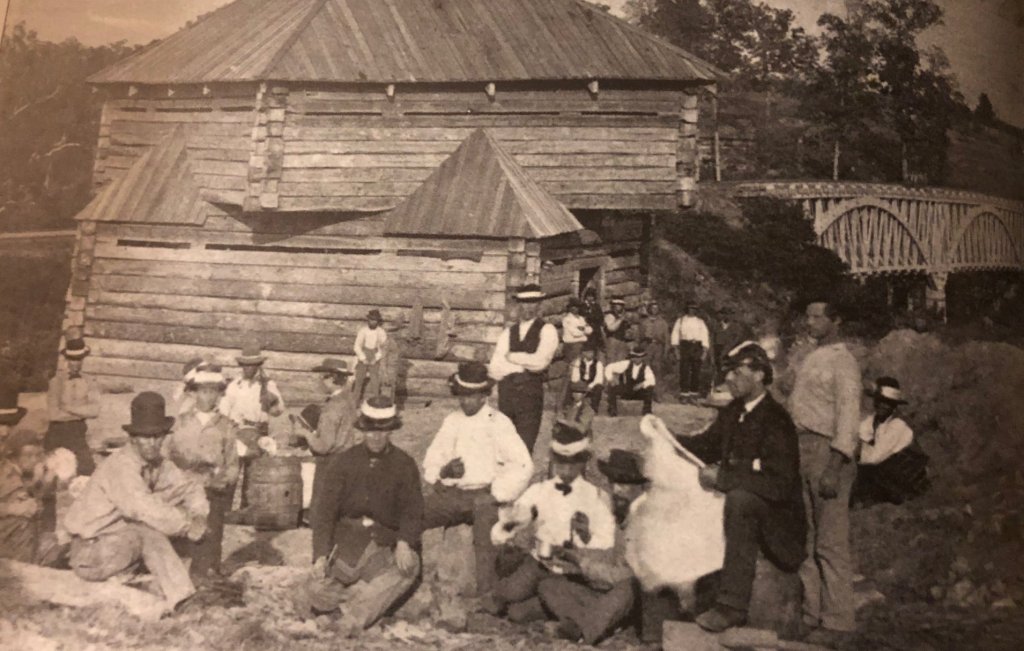
In February 1863, a freedom seeker named Archer Alexander would overhear the local Confederate men in the area, discussing their plans to destroy the Peruque Creek Railroad Bridge. They had been sawing the timbers of the huge wooden trestle, which served as a vital link for the Union Army, carrying troops, supplies and funds across the state. The weight of the next train that crossed might be the one that brought it down, killing everyone on board. The men had guns, and ammunition stored in the icehouse of Captain Campbell’s house, to be used in the event. When learning what they were planning, he would risk his life, and his family’s, to run five miles to the Fort that had been built by the Home Guards a year before. A camp of fugitives, freedom seekers, who had fled their enslavers was established nearby with protection from the Union troops, all of whom were area German Americans who lived nearby. Missouri was a slave state and as a border state, Lincoln’s Emancipation Proclamation did not apply here. The enslaved were caught between the Union and the Confederates, while many hid their true loyalty, giving false Oaths to the Union who held the State under Martial Law.
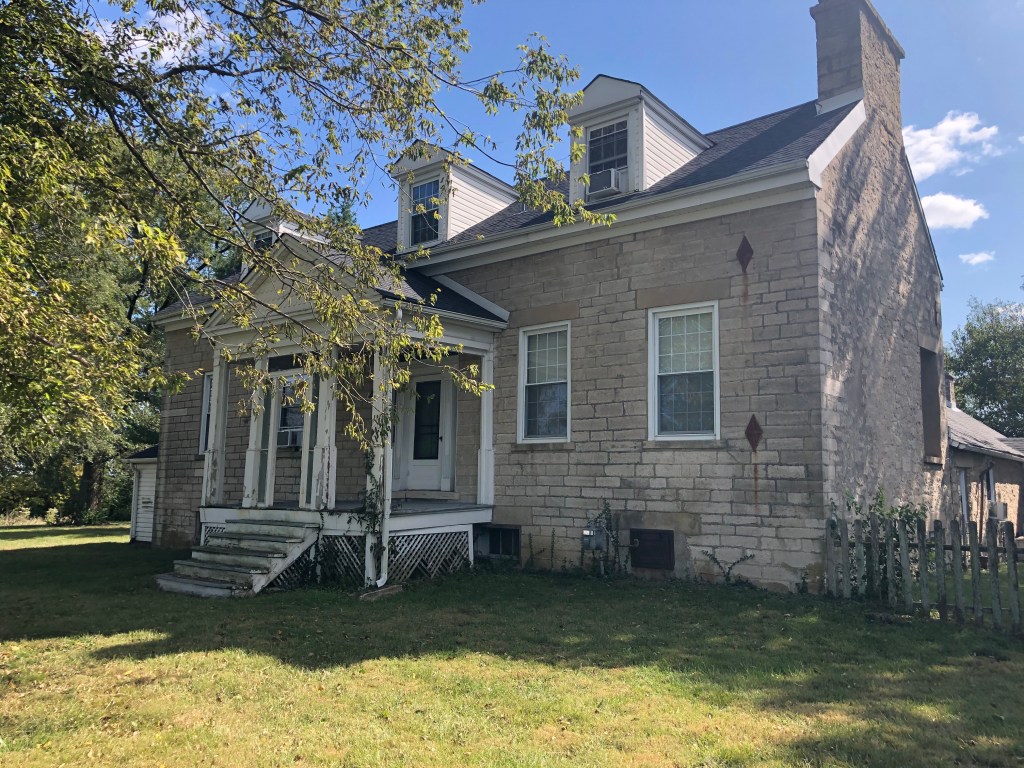
When it was discovered who the informant was, the Slave Patrol, a group of local men charged with capturing Archer, was in quick pursuit. The Fugitive Slave Law of 1850 maintained their right to not only retrieve the enslaved but return them to their rightful owner. Anyone harboring or giving aid would likewise be treated harshly by the government, but there were those who refused to turn away aid. Archer would take sixteen other freedom seekers, likely from the “contraband” camp nearby, and following the instructions given, cross the Missouri River on a cold, dark February night at 3 o’clock in the morning. Using a boat that was kept by a local man at the Howell’s Ferry Crossing, they were met by another Slave Patrol, unofficial, that was on the watch for them. Someone had alerted them and everyone was captured, including Archer Alexander. They were put up on the second floor of a tavern (today’s Wildwood/Chesterfield area) while their enslavers, Barton Bates, Richard Pitman, Robert McCluer and others were alerted that they had been captured. The newspapers would report that these were fine upstanding citizens of the community. Barton Bates was a Federal Judge of the Missouri Supreme Court, and the son of Edward Bates, Lincoln’s Attorney General in Washington, D.C.
What would you do in Archer’s situation? Would you dare to speak out? For more about the National Underground Railroad Network to Freedom see https://www.nps.gov/subjects/undergroundrailroad/index.htm
 ARCHER ALEXANDER
Leave a comment