-

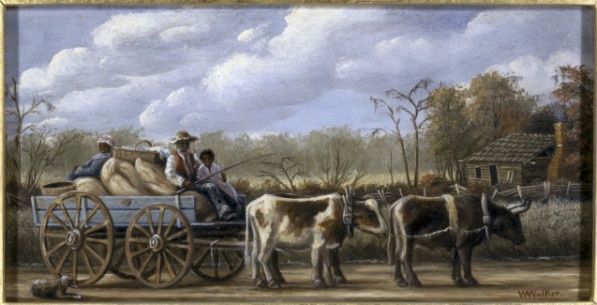
William Campbell’s journal – Had great difficultly ferrying the mouth of Big Sandy. The ferry and ford filled with quick sands and the banks almost impassable for heavy loaded wagons. We here left the state of Virginia, and entered Greenup Co, Kentucky.
-

This is the journal entry of William Campbell who was born in Rockbridge County, Virginia, and kept a journal the fall of 1829 as he and four other families: Alexander, McCluer, Wilson and Icenhower moved to Dardenne township, in Saint Charles County Missouri. This entry shares the roads, rivers and villages they encountered. What it…
-
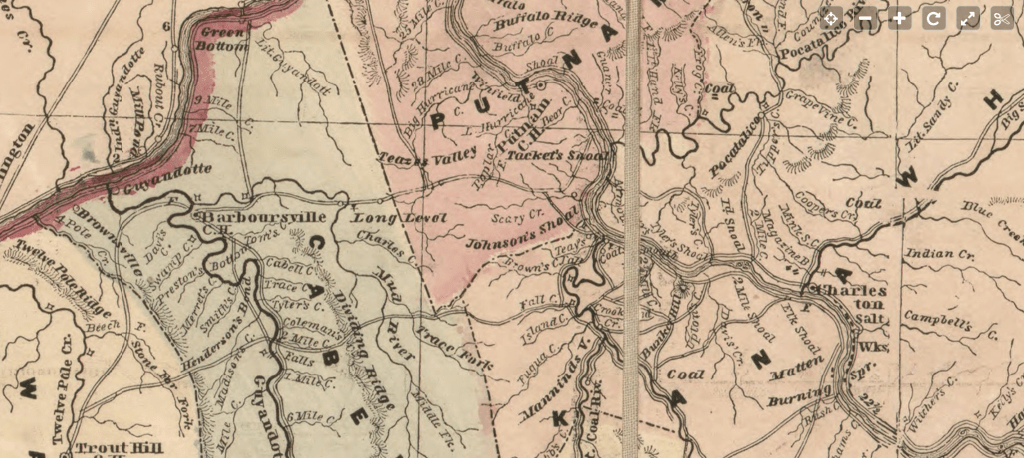
This is Archer Alexander’s journey from Virginia to Missouri in 1829, as told by William Campbell “Made an early start; left the river. Crossed the Cole Mountains a small bridge, roads tolerable and encampted at two fine springs near Mud River, a branch of Guyandotte…
-

7 September 1829…crossed the river in the horse boat. Our party now consists of fifty five persons, 20 horses, 10 dogs and 4 cows. One of our carriage horses had become very lame in Charleston and we had to leave it with Mr. Calhoun…
-
As the journey continues, Archer Alexander is with William Campbell, who shares today’s daily entry in his journal of 1829…
-
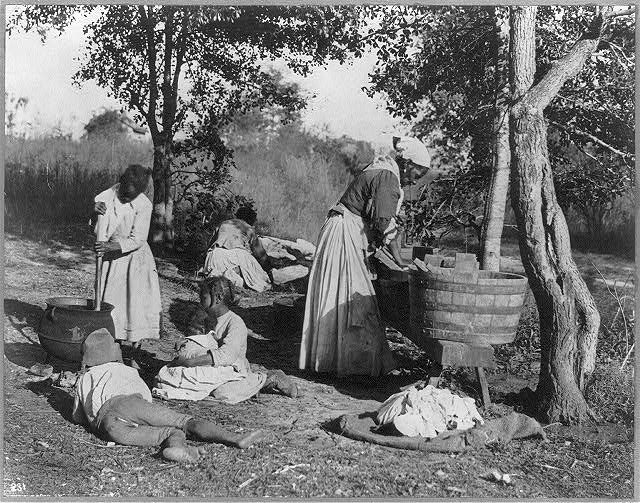
“We this day passed through the rich narrow bottoms of Kanawha, a great part of which is covered with a heavy crop of corn. Ten miles of the valley are called “the Licks” from their being covered with salt works. There are sixty furnaces which manufacture 2,000,000 bushels of salt annually” through the labor of…
-

This is the journal of William Campbell leading a caravan in 1829, with Archer Alexander… to read more….
-

We entered on a very mountainous region crossed Meadow Mountain, Big and Little Sewell and numerous other ridges, for which the inhabitants say thay cannot afford names. ..
-

Staid in Lewisburg until evening. It was a quarterly court and a day of great resort in Lewisburg. Started in the evening and came to Pierce’s [Pierie’s] ten miles over the Muddy Creek Mountain. Fared well….
-
Came to Callahan’s for breakfast. A fine Tavern stand. Finely kept by the owner who is much a gentleman. We now commenced traveling on the turnpike. The road is very excellent considering the mountainous regions through which it passes – crosses the Alleghany. Passed the White Sulpher Springs where there were two hundred visitors. Written…
-
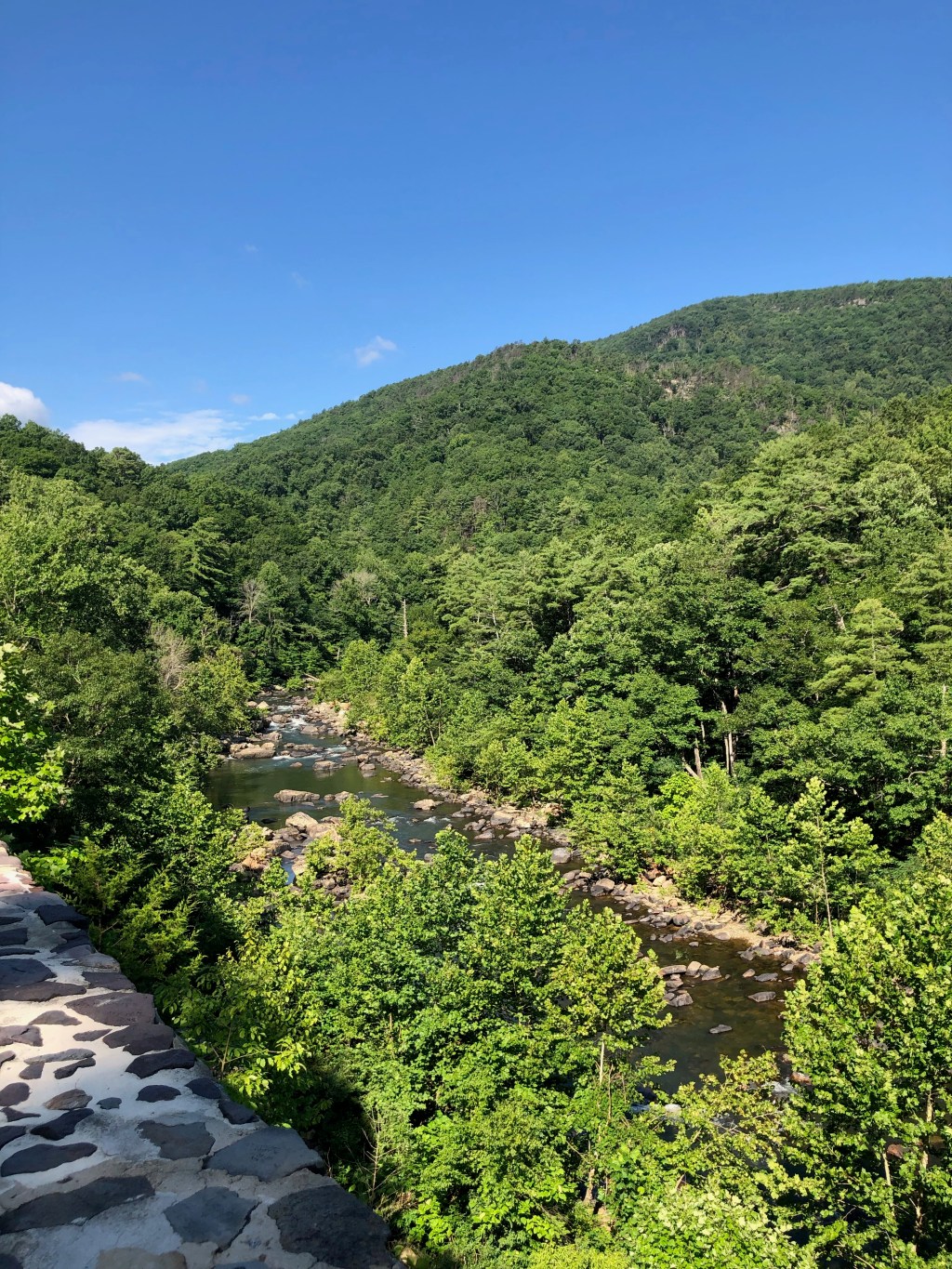
Made an early start, crossed the Warm Spring Mountain, lately improved by turn piking. Passed the Warm Springs where there were forty visitors and Hot Springs, where there were sixty. Were detained on the road by the oversetting and breaking of a South Carolina Sulky. We met in a narow place and he capsized and…
-

On this date, this is the journal entry of William M. Campbell. This is also the story of Archer Alexander, an enslaved man born in Lexington, Virginia, taken to Missouri in 1829, who is with President Lincoln on the Emancipation Monument in Washington, D.C. today. Our story began on August 20th in Rockbridge County Virginia.…
-
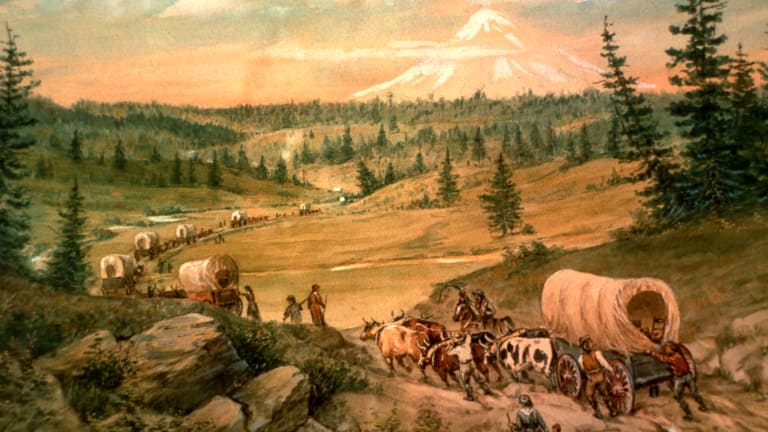
I bid adieu to numerous friends and acquaintances, all of whom professes to wish me well. Many of them sincerely, some of them from the bottom of their hearts, some deceitfully and others with indifference. I parted from many whom I respected and esteem highly. I left a numerous tribe of relatives and many old…
-
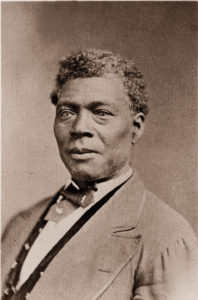
Originally posted on Dorris Keeven-Franke: In recent years, historians have often rewritten or added to the public narrative on African American history in our country. New methodology has increased our ability to find documents supporting some stories while completely altering and eradicating others. This situation was complicated even further when the internet enabled so many…
-
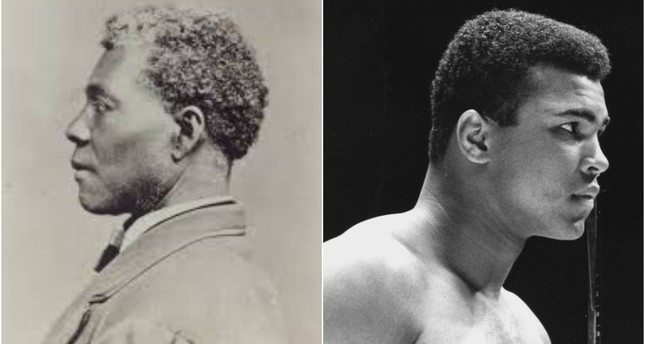
Muhammad Ali’s great-great-great grandfather Archer Alexander can be seen today on the controversial Emancipation Memorial in Washington, D.C., that was dedicated to Lincoln by the formerly enslaved in 1876. Why? Well that’s another story…
-
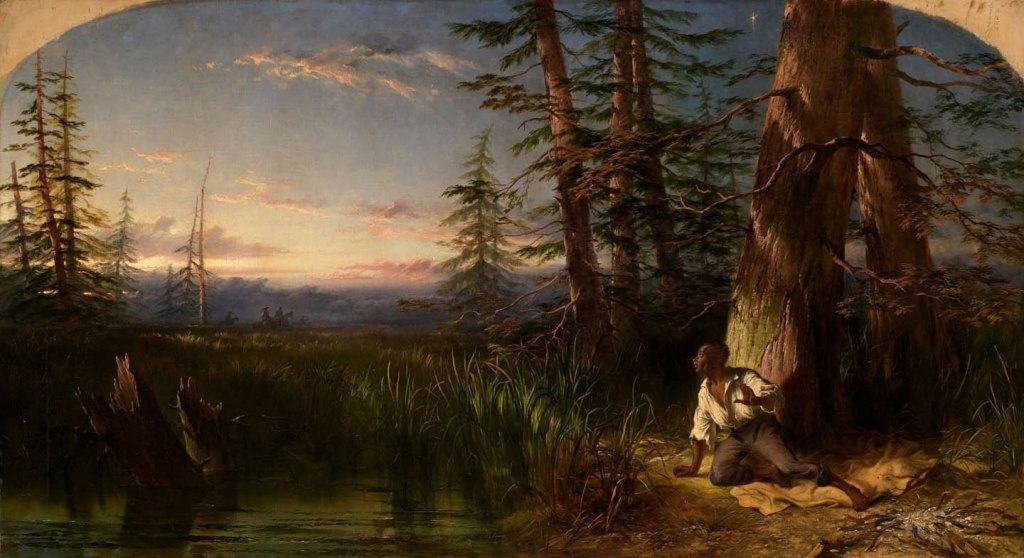
This Story Map shares Archer Alexander’s Flight to Freedom on the Underground Railroad…
-
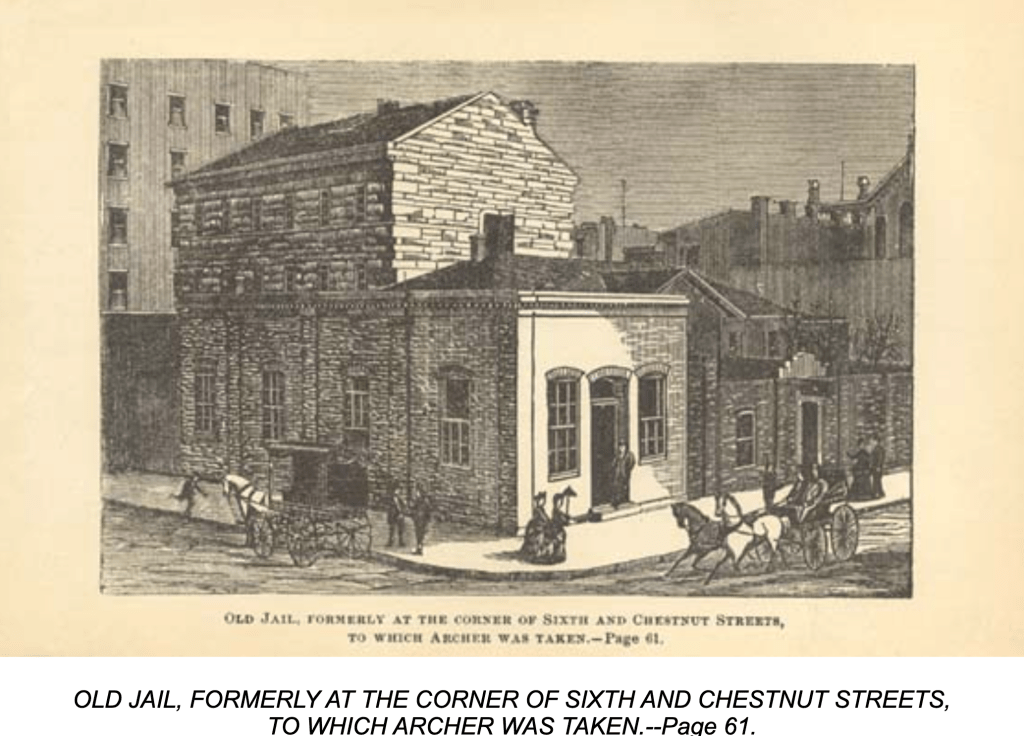
In January of 1863, Archer Alexander had overheard the area men, plotting to destroy the Peruque Creek railroad bridge, a vital link for the Union troops. Risking his life, he would make his way to warn the troops of what was about to happen. By February, the identity of the informant was known, and his…
-
Louisa was born around 1810 to a woman enslaved by John McCluer, a Scotch-Irish Presbyterian elder in Rockbridge County, Virginia, who was also her father. When McCluer’s daughter Nancy married James Alexander in 1820, Louisa would meet Alexander’s enslaved man named Archer Alexander. Louisa and Archer would marry …
-
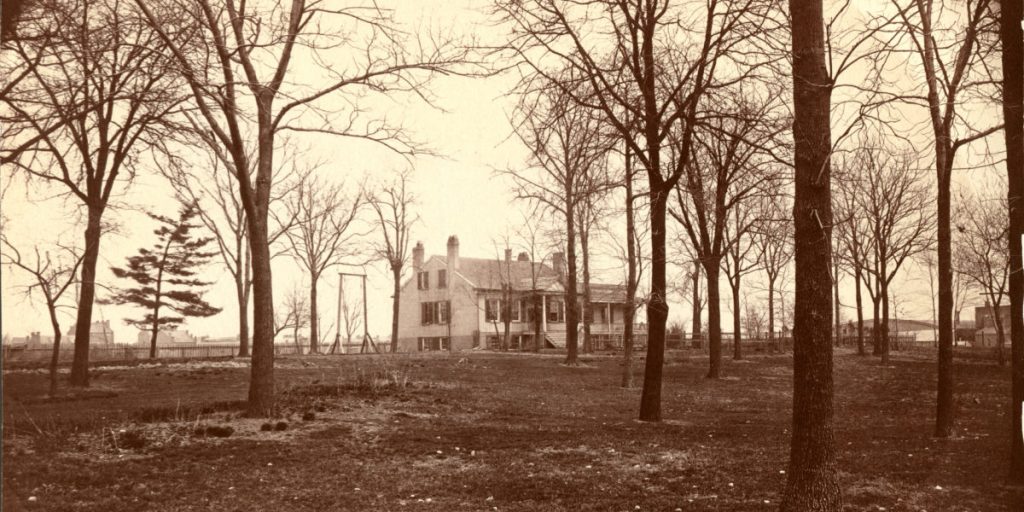
He thought to himself “Go for your freedom, ef you dies for it!'” So he held on his way right southward,.. he fell in with a party of … negro men, who, like himself, were making for freedom; [on February 17, 1863] but … they were overtaken by a band of mounted pursuers, who compelled…
-

On April 14, 1876, a 70-year-old black man named Archer Alexander, would be immortalized as the man that represented the former enslaved on the Freedom Memorial in our Nation’s Capital. President Lincoln was the very man who had given him freedom …
-

Within two years, he would take in a Fugitive Slave from St. Charles County, and under that law, could have been jailed himself. However, he would instead assist that slave in achieving that freedom, an act that he said President Lincoln himself (who was a personal friend) helped in.
-
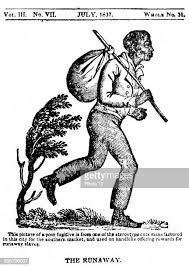
On a frigid January night in ‘63, nightfall came just about dinnertime. Under the cloak of darkness, several area secesh men met in the backroom of James Naylor’s store, just north of Dardenne Creek on Boone’s Lick Road. Missouri winters can be brutal, and the windswept prairie was especially cold and windy that year. Like…
-

When Archer Alexander passed away in December of 1880, his funeral would be held at his church, on Morgan Street in St. Louis. Washington Metropolitan AME Zion had begun in St. Louis on the eve of the Emancipation Proclamation in 1865, and would become the first AME Zion church west of the Mississippi.
-
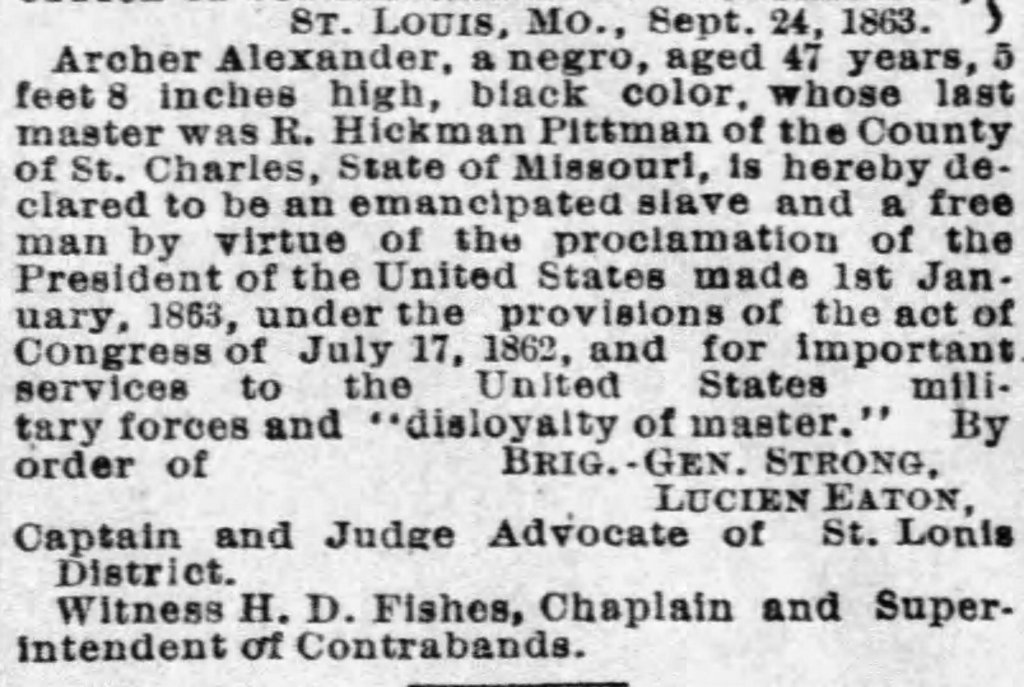
On September 24, 2022, residents of St. Charles County, the City of St. Charles, and the City of St. Louis would commemorate the emancipation of Archer Alexander…
-

Archer was emancipated for “his important services to the U.S. Military forces.” He was freed by the Order of Brig. Gen. Strong, which was announced on September 24, 1863.
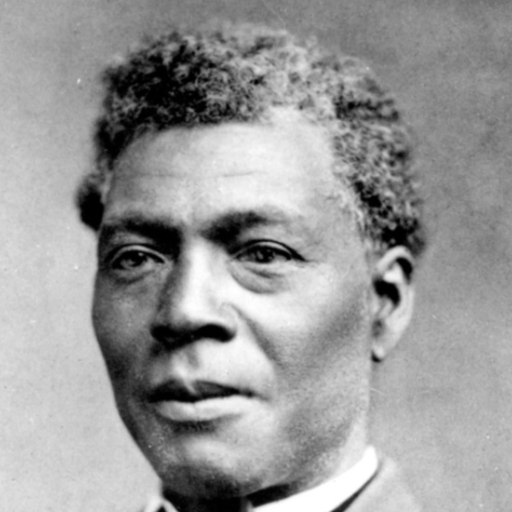
ARCHER ALEXANDER
The Last Fugitive Slave


